Tennessee Outpatient Program (OP)
Tulip Hill Healthcare provides structured outpatient addiction treatment for people who are ready to live at home while continuing therapy, relapse prevention, behavioral health care, and recovery support. OP can serve as a step down from more intensive treatment or as an appropriate entry point for clinically stable individuals.
Continue Recovery With Outpatient Support
Tulip Hill Healthcare provides flexible outpatient addiction and mental health treatment in Tennessee. Speak with admissions to learn whether OP, IOP, PHP, or another available level of care is appropriate.
What Is an Outpatient Program?
An outpatient program provides addiction and behavioral health treatment through scheduled visits without requiring a residential stay. Patients return home after sessions and continue applying recovery skills in their everyday environment.
Standard OP is generally less intensive than a partial hospitalization program or intensive outpatient program. The frequency of services depends on clinical needs, treatment progress, home stability, and recovery goals.
Who May Be Appropriate for OP?
Outpatient care may be suitable for someone who is medically stable, has manageable withdrawal risk, can maintain safety outside treatment hours, and has a living environment that supports recovery. It may also be recommended after detox, residential treatment, PHP, or IOP when less intensive care is clinically appropriate.
OP is not automatically the right starting point for every person. Severe withdrawal, active medical instability, immediate psychiatric risk, repeated relapse in an unsafe environment, or a need for continuous supervision may indicate a higher level of care.
Understanding Outpatient Levels of Care

Standard Outpatient Program
OP provides scheduled therapy and recovery support with the greatest level of independence. It is commonly used for ongoing treatment, step-down care, and long-term recovery maintenance.
View OP
Intensive Outpatient Program
IOP offers more weekly treatment hours than standard OP. It may include several group sessions, individual counseling, education, and clinical monitoring while the patient continues living outside the facility.
View IOP
Partial Hospitalization Program
PHP is the most intensive outpatient level and generally involves treatment for much of the day on multiple days each week. Patients return home or to supportive housing in the evening.
View PHP
Continuing Care
After formal OP ends, ongoing therapy, alumni support, recovery meetings, medication follow-up, and relapse prevention planning may help maintain progress.
Contact AdmissionsServices That May Be Included in Outpatient Treatment

Individual Therapy
One-on-one sessions address personal triggers, treatment goals, mental health symptoms, relationships, behavior patterns, and progress in recovery.
Learn MoreGroup Counseling
Clinician-led groups provide education, peer perspective, communication practice, accountability, and structured work on recovery skills.
Learn More
Behavioral Therapies
CBT, DBT-informed skills, motivational interviewing, and other evidence-based approaches may help patients manage cravings, emotions, and high-risk situations.
Learn More
Psychiatric and Medication Support
When needed, outpatient care may include psychiatric follow-up, medication management, and coordination of medication-assisted treatment.
Learn MoreFamily therapy, trauma-informed care, recovery education, case management, drug and alcohol testing, and referrals to community resources may also be included when clinically appropriate.
How Standard Outpatient Treatment Compares With Other Levels of Care
The appropriate level of care depends on medical stability, withdrawal risk, psychiatric symptoms, relapse risk, living environment, and the amount of structure needed to support recovery.
Standard Outpatient Program
Structure: Lower
Living arrangement: Home or supportive housing
Typical fit: Clinically stable clients who need ongoing therapy and recovery support with greater independence.
Intensive Outpatient Program
Structure: Moderate
Living arrangement: Home or supportive housing
Typical fit: Clients who need multiple structured treatment sessions each week without residential care.
Partial Hospitalization Program
Structure: High daytime
Living arrangement: Home or supportive housing
Typical fit: Clients needing substantial daytime clinical support without overnight residence.
Residential Rehab
Structure: 24-hour
Living arrangement: Treatment facility
Typical fit: Clients who need a controlled recovery environment and continuous structure.
Benefits of Outpatient Addiction Treatment
Real-World Skill Practice
Patients can use coping, communication, and relapse prevention skills in daily life and bring new challenges back into therapy.

Continued Responsibilities
Appropriate patients may continue work, school, caregiving, and other responsibilities while attending scheduled treatment.
Step-Down Support
OP can provide continued structure after residential care, PHP, or IOP as patients gain independence.
Ongoing Clinical Connection
Regular contact with therapists and recovery professionals helps patients address warning signs before problems become more severe.
Substance Use and Mental Health Needs Addressed in OP
 Substance Use and Mental Health
Outpatient treatment may address alcohol, opioids, fentanyl, heroin, benzodiazepines, cocaine, methamphetamine, prescription drugs, cannabis, and polysubstance use. The program must be matched to the person’s current stability and treatment needs.
When addiction occurs alongside depression, anxiety, PTSD, trauma-related symptoms, bipolar disorder, or another mental health concern, outpatient services may incorporate dual diagnosis therapy and psychiatric follow-up. Some people need a higher level of care before transitioning into OP.
What to Expect During Outpatient Treatment
 Outpatient Treatment Schedule
The schedule is individualized according to clinical recommendations and program availability. Patients may attend individual sessions, group counseling, medication appointments, family sessions, and recovery education during the day or evening.
Treatment plans are reviewed as progress continues. Session frequency may decrease when a patient demonstrates greater stability, or the clinical team may recommend more support if cravings, substance use, psychiatric symptoms, or safety concerns increase.
Family Support During Outpatient Recovery
 Family Support
Because patients remain connected to home and family life during OP, loved ones may have an important role in supporting recovery. Family services can address communication, trust, boundaries, enabling behavior, expectations, and responses to warning signs.
Family involvement depends on patient consent, clinical appropriateness, and the needs of the household. The goal is to strengthen recovery support without placing responsibility for sobriety on family members.
Insurance Coverage for Outpatient Treatment
Many commercial health plans include substance use disorder and behavioral health benefits that may help cover outpatient care. Coverage varies according to the plan, facility, network status, medical necessity, deductible, copayments, coinsurance, and authorization requirements.
Tulip Hill Healthcare provides complimentary and confidential insurance verification. Admissions can review available benefits and explain possible coverage for OP, IOP, PHP, residential treatment, detox, dual diagnosis services, and therapy.
How to Begin a Tennessee Outpatient Program
Contact admissions
Discuss substance use, current symptoms, treatment history, living environment, and immediate concerns.
Verify insurance
Admissions reviews available addiction and behavioral health benefits.
Complete an assessment
Clinical professionals determine whether OP or another level of care is appropriate.
Create a treatment plan
Services, goals, session frequency, medication needs, and family involvement are individualized.
Begin treatment
Progress is monitored and the level of support is adjusted as recovery needs change.
If someone is experiencing an overdose, severe withdrawal, suicidal thoughts, psychosis, or immediate danger, call 911 or go to the nearest emergency department.
Addiction Treatment Facilities in Kentucky
Tulip Hill Healthcare’s Kentucky network gives individuals and families access to different treatment environments and levels of support across the state. Our admissions team can help determine which facility and level of care best match a person’s clinical needs, recovery goals, location, and current stability.

Serenity Ranch Recovery – Mammoth Cave, Kentucky
Serenity Ranch Recovery provides addiction treatment in a peaceful Mammoth Cave setting designed to help clients step away from everyday triggers and focus on recovery. The program combines evidence-based and holistic approaches, including individual and group counseling, wellness-focused activities, and integrated support for substance use and co-occurring mental health needs.
Serenity Ranch Recovery is especially relevant for individuals who need a more structured treatment environment and may benefit from residential support before transitioning to a less intensive level of care.
Explore Serenity Ranch Recovery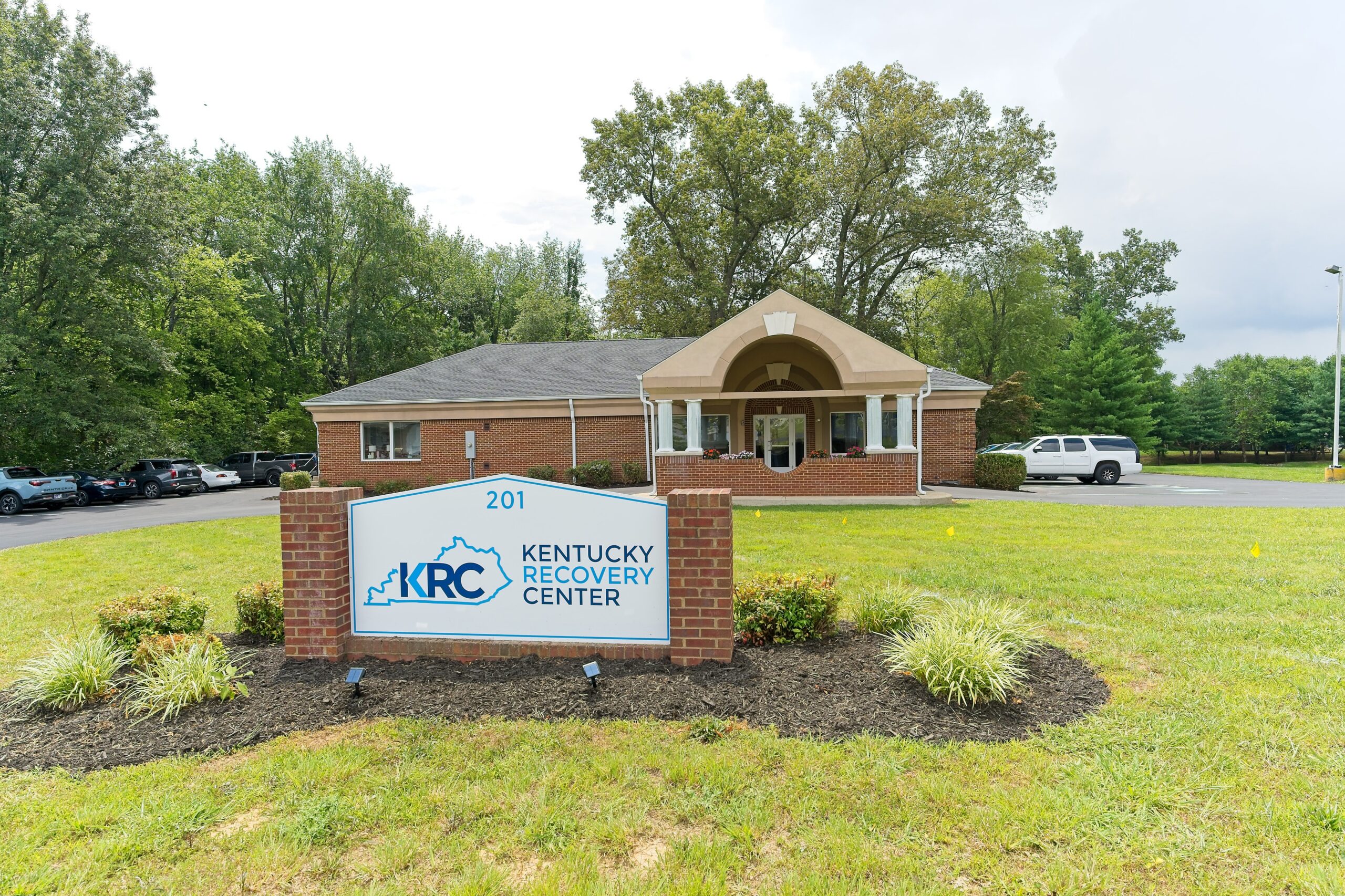
Kentucky Recovery Center – Franklin, Kentucky
Kentucky Recovery Center expands Tulip Hill Healthcare’s treatment network into Franklin and Southern Kentucky. The facility is designed to provide evidence-based addiction treatment in a safe, supportive environment with individualized care for substance use disorders, mental health needs, and long-term recovery.
Its Franklin location can provide another treatment option for individuals and families in Southern Kentucky, including communities near Bowling Green and the Tennessee border. Admissions can provide current information about available programs, opening status, and placement.
View Kentucky Recovery Center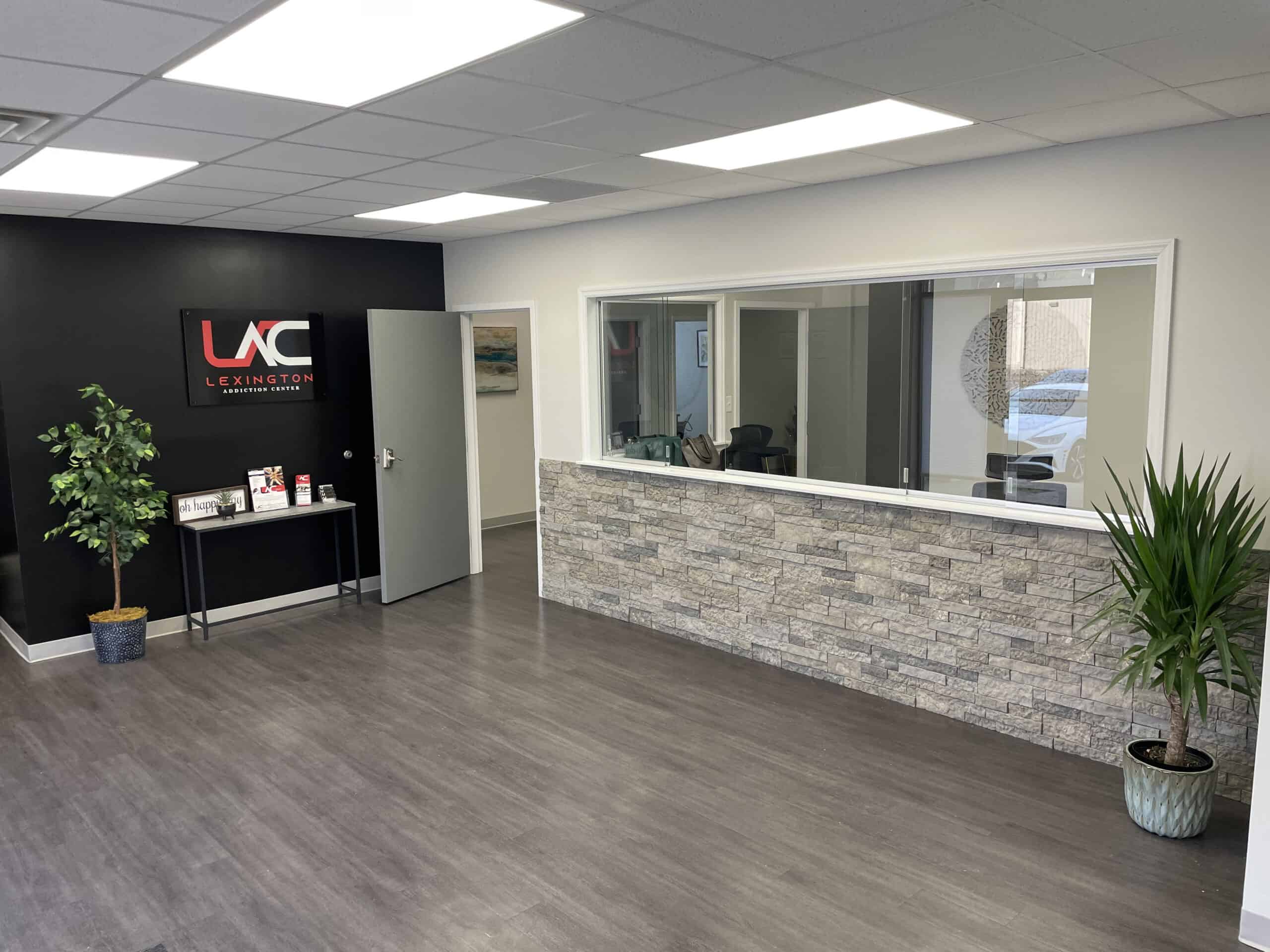
Lexington Addiction Center – Lexington, Kentucky
Lexington Addiction Center provides structured addiction and behavioral health treatment in Lexington. Its continuum includes partial hospitalization, intensive outpatient, and outpatient services, allowing clinically appropriate clients to receive substantial therapeutic support while progressing toward greater independence.
Treatment may incorporate evidence-based therapy, peer support, recovery education, mental health care, and individualized planning for people managing substance use disorders and co-occurring conditions. Lexington Addiction Center can also serve as a step-down option after detox or residential treatment when outpatient care is clinically appropriate.
Explore Lexington Addiction CenterFrequently Asked Questions About Outpatient Treatment
Learn how standard outpatient treatment works, who may benefit, what services can be included, how OP compares with more intensive programs, and what to expect as recovery progresses.
What is an outpatient program?
An outpatient program provides scheduled addiction and behavioral health treatment without requiring an overnight stay. Clients live at home or in another appropriate environment and attend therapy, counseling, recovery education, medication appointments, and other clinically recommended services.
Who is a good fit for outpatient treatment?
OP may be appropriate for people who are medically stable, can maintain safety outside treatment hours, have manageable withdrawal risk, and have a living environment that supports recovery. A clinical assessment helps determine whether standard outpatient care provides enough structure.
Who may need a higher level of care than OP?
Someone with significant withdrawal risk, medical instability, serious psychiatric symptoms, repeated relapse in an unsafe environment, or a need for more frequent supervision may require detox, residential treatment, PHP, or IOP before standard outpatient care.
What services may be included in outpatient treatment?
Services may include individual therapy, group counseling, relapse prevention, family involvement, behavioral therapies, psychiatric follow-up, medication management when clinically appropriate, recovery education, case management, and drug or alcohol testing when clinically indicated.
How often do clients attend outpatient treatment?
Standard outpatient schedules are individualized. Frequency can depend on clinical needs, treatment progress, recovery goals, psychiatric symptoms, home stability, and program availability. Sessions may become less frequent as stability improves or increase when additional support is needed.
How long does an outpatient program last?
There is no single treatment length that fits everyone. Duration depends on clinical progress, relapse risk, treatment goals, mental health needs, participation, continuing-care planning, and insurance authorization when applicable.
Can I work or attend school during OP?
Often, yes. Standard outpatient care offers greater scheduling flexibility than IOP, PHP, or residential treatment and may allow clinically appropriate clients to continue work, school, caregiving, and family responsibilities while receiving treatment.
What is the difference between OP and IOP?
Standard outpatient treatment generally involves fewer weekly treatment hours and greater independence. IOP provides more structure and more frequent treatment sessions. Clients may transition from IOP to OP as they become more stable and require less intensive support.
What is the difference between OP and PHP?
PHP is substantially more intensive and generally involves treatment for much of the day on multiple days each week. Standard OP involves fewer scheduled treatment hours and is intended for clients who can safely manage greater independence outside treatment.
What is the difference between OP and residential rehab?
Residential rehab provides a live-in treatment environment with 24-hour structure. Standard OP allows clients to live at home and attend scheduled appointments. Residential care may be more appropriate when someone needs continuous structure, separation from triggers, or greater supervision.
Can someone enter OP after detox, residential treatment, PHP, or IOP?
Yes. Standard outpatient care can serve as a step-down level after more intensive treatment when the client is stable enough for greater independence but still benefits from ongoing therapy, relapse prevention, psychiatric support, or recovery monitoring.
Can outpatient treatment address addiction and mental health conditions together?
Yes. When substance use occurs alongside depression, anxiety, trauma-related symptoms, bipolar disorder, or other mental health concerns, outpatient treatment may incorporate dual diagnosis therapy, psychiatric follow-up, medication management, and individualized behavioral health support.
Is medication management available in outpatient treatment?
Psychiatric follow-up and medication management may be available when clinically appropriate. Providers can evaluate symptoms, review medications, monitor response, and coordinate behavioral health and addiction treatment according to individual needs.
Can family members participate in outpatient treatment?
Family therapy or support may be included with client consent and when clinically appropriate. Family work can address communication, trust, boundaries, enabling behaviors, expectations, and ways loved ones can support recovery without assuming responsibility for another person’s sobriety.
What happens during an outpatient therapy session?
Sessions vary according to the treatment plan. A client may work on triggers, cravings, coping strategies, emotional regulation, relationships, mental health symptoms, relapse prevention, recovery goals, and challenges that have occurred between appointments.
What substances can outpatient treatment address?
Outpatient care may address alcohol, opioids, fentanyl, heroin, benzodiazepines, cocaine, methamphetamine, prescription drugs, cannabis, and polysubstance use when OP is clinically appropriate for the person’s current level of stability.
Is drug or alcohol testing used during OP?
Drug or alcohol testing may be incorporated when clinically appropriate as part of accountability, treatment monitoring, medication management, or recovery planning. Testing practices depend on the individual treatment plan and program.
Is outpatient addiction treatment covered by insurance?
Many commercial insurance plans include behavioral health and substance use disorder benefits that may help cover outpatient care. Coverage varies based on the plan, network status, medical necessity, deductible, copayments, coinsurance, authorization requirements, and other policy terms.
How can I verify insurance coverage for OP?
Tulip Hill Healthcare offers confidential insurance verification. Admissions can review available benefits and explain what the plan indicates about outpatient treatment coverage and possible out-of-pocket responsibility. Verification of benefits is not a guarantee of payment.
What happens after outpatient treatment ends?
Continuing care may include individual therapy, psychiatric follow-up, medication management, alumni programming, community recovery meetings, peer support, and relapse-prevention planning. The goal is to maintain recovery support while increasing long-term independence.
How do I begin outpatient treatment at Tulip Hill Healthcare?
The process begins with a confidential admissions conversation about current substance use, symptoms, treatment history, living environment, recovery goals, scheduling needs, and insurance. A clinical assessment helps determine whether OP or another available level of care is appropriate.
Medical and Clinical Review

Dr. Vahid Osman, M.D.
Board-Certified Psychiatrist and Addictionologist

Josh Sprung, L.C.S.W.
Board-Certified Clinical Social Worker