Addiction Treatment Centers in Tennessee and Kentucky
Tulip Hill Healthcare operates and supports a network of addiction treatment centers across Tennessee and Kentucky. This page is designed to help individuals and families compare locations, understand which levels of care are available across the network, and identify the type of treatment setting that may fit their clinical and practical needs.
Rather than serving as a general guide to drug rehabilitation, this resource focuses on choosing among treatment centers and navigating a continuum that may include medical detox, residential care, partial hospitalization, intensive outpatient treatment, outpatient services, dual diagnosis care, and continuing support. Availability varies by location and should be confirmed during the admissions process.
If you are unsure where to begin, our admissions team can review current substance use concerns, location preferences, insurance benefits, treatment history, and level-of-care needs, then help identify an appropriate facility within the network.
How the Tulip Hill Healthcare Treatment Network Works
Drug and alcohol rehab is professional treatment designed to help people address substance use disorders and build the skills needed to maintain recovery. Although the word “rehab” is sometimes used to mean residential or inpatient treatment, addiction rehabilitation can involve several levels of care.
Depending on the individual’s needs, rehab may include:
For some people, treatment begins with detox followed by residential rehab. Others may be clinically appropriate to begin at the PHP, IOP, or outpatient level. A professional assessment helps determine which setting offers the right balance of safety, structure, and independence.
When to Consider a Higher Level of Addiction Care
You do not have to wait for a particular “rock bottom” before seeking treatment. Professional rehab may be appropriate when alcohol or drug use has become difficult to control or is creating significant problems in everyday life.
Someone may benefit from addiction treatment if they:
Have tried to stop drinking or using drugs without lasting success
Continue using despite physical or mental health consequences
Have experienced an overdose or repeated relapse
Hide, minimize, or organize daily life around substance use
Experience problems at work, school, home, or in important relationships
Need substances to feel normal or function throughout the day
Have co-occurring depression, anxiety, trauma, PTSD, bipolar disorder, or other mental health concerns
Live in an environment that makes maintaining sobriety difficult
A confidential assessment can help determine whether treatment is appropriate and which level of care may best meet the person’s needs.
How Treatment Duration Is Determined
There is no universal treatment length. The appropriate duration depends on the substance involved, severity of addiction, treatment history, mental health needs, clinical progress, home environment, insurance coverage, and recommendations from the treatment team. Common treatment timeframes include 30, 60, and 90 days, but treatment should be individualized rather than based only on a calendar.
Shorter-Term Structured Treatment
A 30-day rehab program can provide an intensive introduction to recovery while allowing the treatment team to evaluate needs and begin addressing the behaviors and circumstances contributing to substance use.
Treatment may focus on stabilization, addiction education, individual and group therapy, triggers, coping skills, mental health concerns, family relationships, relapse prevention, and planning the next stage of care. Thirty days does not necessarily mean treatment is finished. Many people continue into PHP, IOP, outpatient care, sober living, or other recovery services.
Extended Clinical Support
A 60-day treatment period provides additional time to practice recovery skills while continuing to address trauma, mental health symptoms, relationship difficulties, emotional regulation, cravings, behavioral patterns, communication, healthy routines, and relapse prevention.
This additional time may be especially helpful for people who need greater structure before transitioning into a lower level of care.
Longer-Term Recovery Planning
For people with severe or long-standing substance use disorders, repeated relapses, complex mental health needs, or unstable recovery environments, a longer treatment period may be recommended.
A 90-day rehab plan provides more time to establish healthy routines, participate in therapy, practice coping strategies, address co-occurring concerns, and prepare for life with greater independence.
Why Families Choose Tulip Hill Healthcare
Choosing a drug and alcohol rehab program is an important decision. Every person who enters treatment brings a different history, set of challenges, support system, and vision for recovery. Our approach centers on individualized, evidence-based care in supportive settings across Tennessee and Kentucky.
Personalized Treatment Planning
Every client receives a treatment plan based on substance use history, mental health needs, medical considerations, family dynamics, recovery goals, and ongoing clinical progress. Treatment can evolve as needs change.
Smaller group settings can create opportunities for deeper therapeutic engagement, stronger peer relationships, accountability, and more individualized attention from clinical staff.
Many individuals struggling with addiction also live with depression, anxiety, trauma, PTSD, bipolar disorder, or other mental health conditions. Integrated treatment addresses substance use and co-occurring mental health concerns together.
When clinically appropriate, family education and therapy can help loved ones understand addiction, improve communication, establish healthier boundaries, rebuild trust, and strengthen support for long-term recovery.
Treatment may incorporate Cognitive Behavioral Therapy (CBT), Dialectical Behavior Therapy (DBT), trauma-informed care, Motivational Interviewing, individual counseling, group therapy, family therapy, and relapse prevention planning.
Recovery may involve several levels of care. Individualized aftercare plans can include residential treatment, PHP, IOP, outpatient counseling, recovery support services, sober living, and community-based resources.
Clients may arrive feeling overwhelmed, discouraged, or uncertain about the future. Our programs emphasize respect, support, accountability, and meaningful therapeutic relationships.
Addiction is a treatable condition. Recovery involves more than stopping drug or alcohol use. It can include restoring health, rebuilding relationships, developing healthier coping skills, improving stability, and creating a life that supports continued recovery.
Our philosophy combines clinical care with a consumer-centered approach. Treatment addresses physical, emotional, behavioral, psychological, and social factors that can contribute to substance use while helping clients develop practical skills for life after structured treatment.
Core Services Across Our Treatment Network
Every recovery journey is different. Treatment generally begins with a comprehensive assessment that looks at substance use, physical health, mental health, previous treatment, family circumstances, medications, living environment, and recovery goals. From there, the clinical team develops an individualized plan.
Individual Therapy
One-on-one counseling gives clients a confidential space to explore addiction patterns, trauma, grief, relationships, mental health symptoms, emotional regulation, triggers, and recovery goals.
Clients learn strategies for identifying triggers, recognizing warning signs, managing cravings, navigating high-risk situations, and building a recovery support system.
Recovery often requires rebuilding routines and daily habits. Life skills work can support independence, stability, communication, time management, and healthy decision-making.
Successful addiction treatment involves more than stopping substance use. Therapy helps people understand the thoughts, emotions, behaviors, relationships, and experiences connected to addiction while developing healthier ways to respond to life’s challenges.
Cognitive Behavioral Therapy (CBT)
CBT helps individuals recognize connections between thoughts, emotions, and behaviors. Clients can learn to identify unhelpful thinking patterns and replace them with healthier responses that support recovery.
DBT can help clients strengthen mindfulness, distress tolerance, emotional regulation, and interpersonal effectiveness, particularly when intense emotions or impulsive behaviors contribute to substance use.
Trauma-informed care recognizes that past experiences can influence substance use, trust, emotional regulation, and relationships. Treatment is designed to support healing while reducing the risk of retraumatization.
Motivational Interviewing is a collaborative approach that helps individuals explore ambivalence about change and strengthen their own reasons for pursuing recovery.
Individual sessions offer focused support for personal challenges, while group therapy provides connection, accountability, communication practice, shared learning, and peer support.
Family therapy can address strained relationships, unhealthy communication patterns, enabling behaviors, boundaries, and preparation for life after treatment.
Dual Diagnosis Treatment for Co-Occurring Disorders
Substance use disorders often occur alongside mental health concerns. When addiction and a mental health disorder occur together, treatment may be described as dual diagnosis or co-occurring disorder care.
Integrated treatment addresses substance use and mental health concerns together. This can help clients understand how symptoms interact, strengthen coping skills, and develop a more complete plan for long-term recovery.
How Daily Programming Varies by Level of Care
Structure is an important component of many addiction treatment programs. The exact schedule depends on the facility and level of care, but a typical day may combine therapy, education, recovery activities, meals, wellness programming, case management, and personal reflection.
Morning
Clients may begin with breakfast, a wellness check-in, goal setting, mindfulness, or a recovery-focused group.
Late Morning
Clinical programming may include group therapy, addiction education, CBT or DBT skills, relapse prevention, and other therapeutic groups.
Afternoon
Clients may participate in individual therapy, additional groups, family sessions, wellness activities, case management, or treatment planning.
Late Afternoon
Programming may focus on life skills, emotional regulation, healthy relationships, coping strategies, recreation, or physical wellness.
Evening
Depending on the program, evenings may include dinner, peer support, recovery meetings, journaling, recreation, reflection, or preparation for the following day.
Matching Clinical Needs to the Right Level of Care
“Going to rehab” does not mean every person receives the same type of treatment. Addiction care exists along a continuum, and people may move through several levels as stability and independence improve.
Medical Detox
Detox focuses on safely managing withdrawal and helping the individual become medically stable. For some substances, professional medical support may be important before rehab begins.
Residential treatment provides a highly structured, substance-free setting where clients live within the treatment environment while participating in intensive addiction programming and receiving ongoing support.
IOP offers structured treatment several days per week while allowing greater flexibility for work, school, family responsibilities, and independent living.
Residential rehab is one of the most intensive non-hospital levels of addiction treatment. Clients live in a structured, substance-free environment where recovery is the primary focus. This can reduce exposure to triggers and provide additional accountability for people who need more support than outpatient treatment offers.
Residential treatment may be especially appropriate for individuals with severe substance use disorders, repeated relapses, unstable living environments, significant cravings, co-occurring mental health concerns, or a need for continued support after detox.
Ongoing exposure to home and community environments
Intensive therapeutic programming
Fewer weekly treatment hours
Often appropriate for more complex clinical needs
May be appropriate when stability and support are stronger
Neither level of care is automatically better. The most appropriate choice depends on clinical needs, recovery history, living environment, support system, and ability to maintain stability outside treatment hours.
Tulip Hill Healthcare Treatment Centers in Tennessee
Tulip Hill Healthcare’s Tennessee network offers options for individuals and families seeking addiction treatment in Nashville, Murfreesboro, Middle Tennessee, and surrounding communities. Depending on the facility and clinical need, services may include medical detox, residential care, PHP, IOP, outpatient treatment, dual diagnosis services, therapy, and continuing-care planning.
Live Again Detox provides an option for individuals beginning recovery in the Nashville area. For people who have developed physical dependence on alcohol, opioids, benzodiazepines, or other substances, detoxification may be needed before beginning the therapeutic portion of addiction treatment.
Tennessee Detox Center provides addiction treatment resources for people who may need support during the early stages of recovery. Detox can address physical withdrawal, while continued rehab helps address behavioral, emotional, psychological, and environmental factors associated with addiction.
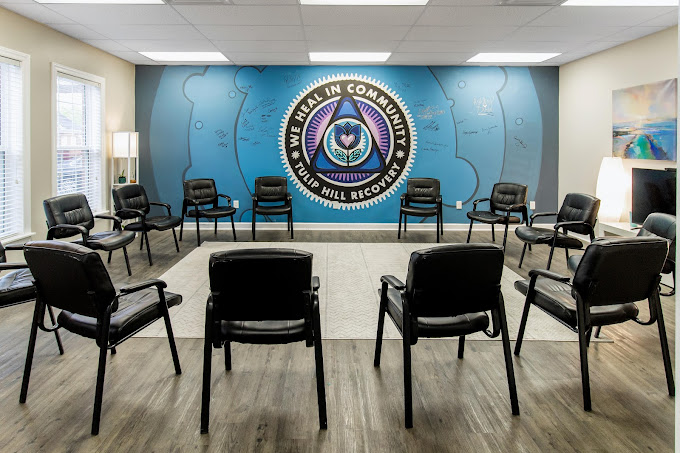
Tulip Hill Recovery provides addiction treatment in Murfreesboro for individuals seeking structured support for substance use and co-occurring mental health concerns. The location serves Middle Tennessee and people traveling from Nashville, Franklin, Smyrna, La Vergne, Clarksville, and surrounding communities.
Tulip Hill Healthcare Treatment Centers in Kentucky
Tulip Hill Healthcare’s Kentucky treatment network provides options for individuals and families seeking addiction treatment throughout the Commonwealth, including residential and outpatient-oriented services depending on location and clinical need.
Serenity Ranch Recovery provides addiction treatment in Kentucky in a recovery-focused environment where clients can step away from triggers and daily pressures while addressing substance use, mental health concerns, behavioral patterns, relapse risks, and long-term recovery needs.
Lexington Addiction Center provides drug and alcohol treatment for individuals in Lexington and surrounding Central Kentucky communities. Structured clinical care can help clients develop coping strategies, address mental health concerns, improve emotional regulation, and build skills for continued recovery.
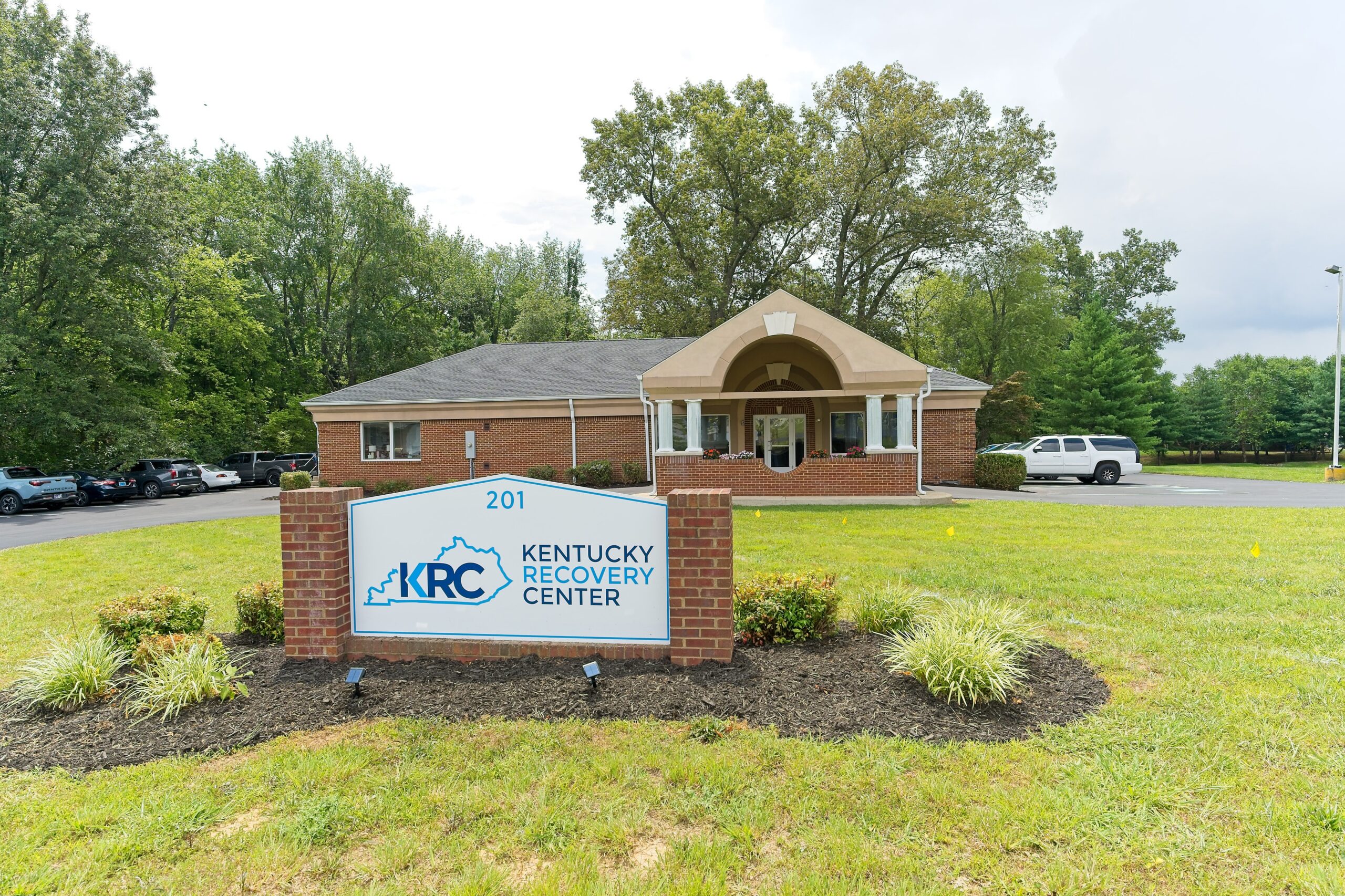
Kentucky Recovery Center expands access to addiction treatment within the Tulip Hill Healthcare network. Admissions specialists can help individuals determine which facility and level of care may be appropriate based on substance use history, mental health needs, previous treatment, recovery environment, insurance coverage, and other clinical considerations.
Substance Use Disorders Addressed Across Our Network
Addiction affects every person differently. Treatment plans are developed around the substance involved, severity of use, withdrawal risks, mental health needs, previous treatment experiences, and other individual factors.
Alcohol Rehab
Alcohol addiction can gradually progress from heavy or frequent drinking to a pattern that affects physical health, mental health, relationships, work, finances, and everyday functioning. Alcohol rehab helps clients examine their relationship with alcohol and develop strategies for maintaining recovery.
Opioid addiction may involve prescription pain medications, heroin, fentanyl, or other opioids. Because physical dependence and withdrawal can complicate recovery, some individuals need medical detox before transitioning into ongoing addiction treatment.
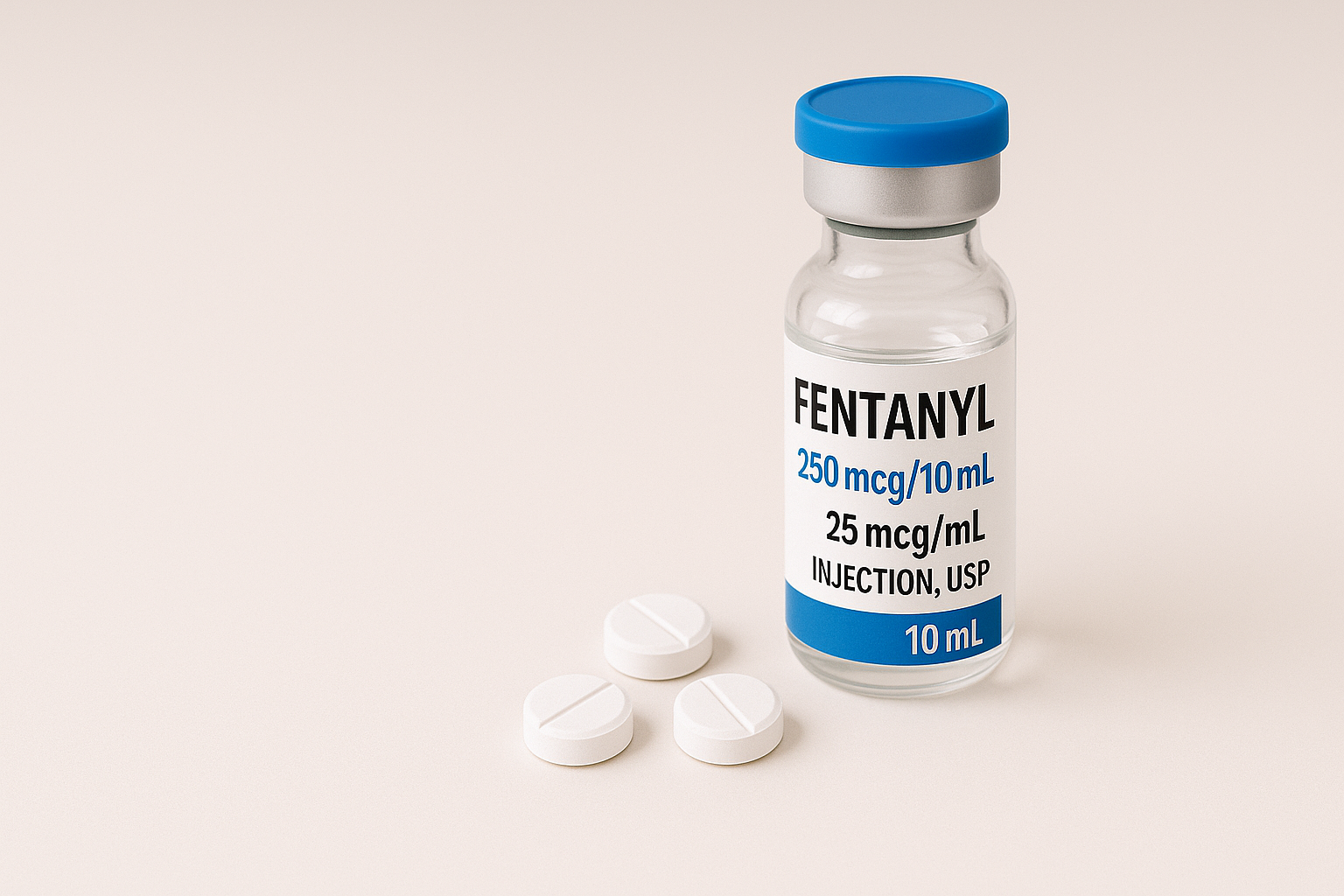
Fentanyl is a potent synthetic opioid associated with substantial overdose risk. Treatment can help address physical dependence, cravings, behavioral patterns, mental health concerns, triggers, and relapse risks.
Heroin addiction can produce significant physical and psychological dependence. Professional treatment provides an environment where individuals can address immediate recovery needs as well as the underlying factors connected to continued heroin use.
Methamphetamine use can affect sleep, mood, cognition, physical health, relationships, and behavior. Rehab may focus on stabilization, behavioral therapy, emotional regulation, mental health treatment, coping skills, and relapse prevention.
Cocaine can create powerful psychological dependence and patterns of compulsive use. Treatment helps clients identify triggers and behavioral patterns while learning healthier ways to manage stress, emotions, relationships, and cravings.
Medications such as Xanax, Klonopin, Ativan, Valium, and Librium can lead to physical dependence. Because suddenly discontinuing certain benzodiazepines can be dangerous, individuals should receive appropriate medical guidance before attempting to stop.
Addiction can develop around medications originally prescribed for legitimate medical reasons, including pain medications, anxiety medications, sedatives, stimulants, sleep medications, and other prescription drugs.
How to Compare Addiction Treatment Centers in Tennessee or Kentucky
Choosing a rehab can feel overwhelming, especially when a family is trying to make a decision quickly. The right program should be capable of safely addressing the person’s clinical needs rather than being chosen only on location or amenities.
Questions to ask include:
What levels of care are available?
Is medical detox available or coordinated when necessary?
Does the program provide individualized treatment planning?
Are licensed behavioral health professionals involved?
Is dual diagnosis treatment available?
What therapies are used?
How is family involvement handled?
How does the program approach relapse prevention?
What happens after the initial treatment program?
Does the facility work with your insurance?
The “best” rehab is not the same facility or level of care for every person. A professional assessment can help narrow the options.
What Affects the Cost of Addiction Treatment?
The cost of rehab varies based on the level of care, length of treatment, facility, clinical services, insurance benefits, provider network, deductible, copay or coinsurance, and medical necessity requirements.
Rather than assuming treatment is unaffordable, families can start by verifying insurance benefits and discussing available options with an admissions specialist. This can provide a clearer picture of covered services and potential out-of-pocket responsibility.
Insurance Coverage Across Addiction Treatment Programs
Many health insurance plans provide behavioral health and substance use disorder benefits. Coverage varies by policy, provider network, medical necessity, authorization requirements, and requested level of care.
Insurance plans commonly used for addiction treatment may include:
Our admissions specialists can help verify benefits and explain available treatment options based on coverage.
How Admissions and Facility Matching Work
Seeking treatment can feel overwhelming, but the admissions process can be broken into manageable steps.
Step 1: Confidential Consultation
An admissions specialist discusses current substance use concerns, treatment history, mental health needs, family circumstances, insurance coverage, and recovery goals.
Step 2: Insurance Verification
The admissions team can contact the insurance provider to review benefits, covered services, deductibles, copays or coinsurance, authorization requirements, and potential eligibility.
Step 3: Clinical Assessment
A clinical evaluation helps identify substance use history, physical health concerns, mental health conditions, trauma history, family dynamics, living environment, and recovery goals.
Step 4: Admission and Orientation
When a program is appropriate, the team coordinates arrival and introduces the client to the treatment setting, schedule, staff, expectations, and initial recovery plan.
Step 5: Individualized Treatment Planning
The clinical team continues evaluating progress and adjusts services as needed to support the client’s recovery and transition to the next level of care.
Planning the Next Level of Care
Completing an initial rehab program is an important milestone, but recovery continues afterward. Before discharge, clients should have a plan for maintaining progress while gradually taking on more independence.
PHP and IOP
Step-down programs can continue structured therapy and recovery support while clients spend more time in their home or recovery environment.
Recovery meetings, alumni programming, peer support, sober living, and community resources can help individuals stay connected and accountable over time.
One goal of rehab is helping clients prepare for real-world situations after structured treatment. Relapse prevention planning may include identifying personal triggers, recognizing warning signs, managing cravings, planning for high-risk situations, improving stress management, strengthening relationships, and building a dependable support network.
A continuing-care plan may combine professional treatment, peer support, family involvement, recovery meetings, healthy routines, and regular reassessment as needs change.
Medical and Clinical Review
Medically Reviewed By:Dr. Vahid Osman, M.D.Board-Certified Psychiatrist and Addictionologist
Clinically Reviewed By:Josh Sprung, L.C.S.W.Board-Certified Clinical Social Worker
Frequently Asked Questions About Choosing a Treatment Center
How long will I stay at a treatment center?
Treatment length varies. Thirty-, 60-, and 90-day programs are commonly discussed, but the appropriate duration should be based on clinical needs, progress, living environment, insurance considerations, and continuing-care planning.
Can treatment continue after an initial program?
Thirty days can provide an important period of stabilization and intensive treatment, but some individuals benefit from longer treatment or continued care through PHP, IOP, outpatient therapy, sober living, or another program.
How is treatment length selected?
Not automatically. A longer program provides additional time to practice recovery skills and address complex issues, but treatment recommendations should be individualized rather than based solely on a predetermined number of days.
Do all addiction treatment centers require residential care?
Not necessarily. Residential treatment involves living in a structured treatment setting, while PHP, IOP, and outpatient programs generally allow greater independence.
Can admissions help determine whether detox is needed first?
Some individuals do. The need for detox depends on the substances being used, frequency and amount of use, physical dependence, withdrawal risks, medical history, and other factors. An assessment can determine whether medical detox should come first.
Which centers address co-occurring mental health concerns?
Programs offering dual diagnosis services can address substance use disorders alongside depression, anxiety, PTSD, trauma-related disorders, bipolar disorder, and other mental health concerns.
Can you verify insurance before I choose a facility?
Many insurance plans provide some level of coverage for substance use disorder treatment. Exact benefits vary by policy, provider network, medical necessity, authorization requirements, and requested level of care.
Does the daily schedule differ between residential, PHP, IOP, and outpatient care?
A typical day may include individual therapy, group counseling, addiction education, relapse prevention, wellness activities, meals, recovery meetings, case management, and personal reflection. The exact schedule varies by facility and level of care.
Do facilities treat different types of substance use disorders?
Programs may treat alcohol, fentanyl, heroin, prescription opioids, cocaine, methamphetamine, benzodiazepines, prescription medications, and polysubstance use disorders.
How do I know which level of care to consider?
If substance use is becoming difficult to control, causing problems in your health or relationships, interfering with everyday responsibilities, or continuing despite negative consequences, it may be time to seek a professional assessment.
Does family involvement vary by program?
Family participation is often encouraged when clinically appropriate. Family involvement can support communication, healthier boundaries, education, and continued recovery after treatment.
Continuing care may include PHP, IOP, outpatient therapy, psychiatry, medication management, family therapy, recovery meetings, alumni programs, peer support, sober living, and community recovery resources.
Find Tulip Hill Healthcare Treatment Centers in Tennessee or Kentucky
Deciding to seek help for addiction can be difficult. Finding treatment should not make the process harder.
Tulip Hill Healthcare helps individuals and families compare treatment locations and navigate available levels of care across Tennessee and Kentucky, from stabilization and residential services to outpatient care and continuing support.
Whether you are looking for help in Nashville, Murfreesboro, Lexington, or another community in Tennessee or Kentucky, our admissions team can help you understand your options and determine an appropriate next step.
Call (888) 984-6301 for a confidential assessment and insurance verification.
Dr. Vahid Osman, M.D. Board-Certified Psychiatrist and Addictionologist
Dr. Vahid Osman is a Board-Certified Psychiatrist and Addictionologist who has extensive experience in skillfully treating patients with mental illness, chemical dependency and developmental disorders. Dr. Osman has trained in Psychiatry in France and in Austin, Texas.
Read more.
Clinically Reviewed By:
Josh Sprung, L.C.S.W. Board Certified Clinical Social Worker
Joshua Sprung serves as a Clinical Reviewer at Tennessee Detox Center, bringing a wealth of expertise to ensure exceptional patient care.
Read More
The Joint Commission – The Gold Seal of Approval® signifies that Tulip Hill Healthcare meets or exceeds rigorous national standards for patient care, safety, and quality.
LegitScript Certified – Confirms compliance with laws and standards for transparency and ethical marketing in addiction treatment.
BBB Accredited – Demonstrates Tulip Hill Healthcare’s commitment to ethical business practices and community trust.
Psychology Today Verified – Indicates a verified listing on Psychology Today for trustworthy treatment services.
HIPAA Compliant – Ensures patient information is protected under federal privacy regulations.
ASAM Member – Reflects a commitment to science-based addiction treatment as a member of the American Society of Addiction Medicine.
CARF Accredited – Demonstrates that Tulip Hill Healthcare meets internationally recognized standards for quality, accountability, and service excellence in behavioral health care.
We understand addiction affects the whole family. Our comprehensive family program helps rebuild trust and restore relationships.
Weekly Family Therapy Sessions
Educational Workshops
Support Groups
Communication Skills Training
What Our Patients Say: Stories of Hope and Recovery
Real Testimonials
Hear directly from those who have walked the path to recovery. Our patients’ stories highlight the compassionate care, effective programs, and life-changing support they’ve experienced. Let their journeys inspire you as you take your first steps toward healing.
This is an amazing place to free yourself from your vices and clear your head to start your recovery journey. I have nothing but amazing things to say of all staff. Jacob the Case Manager is an amazing guy and will help you with anything you need. The therapists are amazing and are a huge part of this process. I’d recommend this facility for anyone needing treatment and looking for recovery.
I don’t even know where to start. This facility has been absolutely amazing to me. When entering a rehab, you never think “this will be an amazing experience,” but it was. All the staff has been so loving, accepting, and ready to take you in with open arms. If anyone needs the help I needed, I can promise you that Tosha, Shay, Asia, and Billy will make you feel safe and secure during your stay! Big thanks to all the nurses and other staff as well for making this my home away from home for 28 days. You were all the absolute best!
This place is so special. The staff is the gem here. They relate, they understand and they genuinely want to help. If you or a loved one is in active addiction or suffer from mental health, pick up the phone and call them, they will help. Billy, Tasha, JoyLee, Asia, Shae and everyone else at the Serenity Wellness, thank you for saving my life. Ill never forget you.
Serenity has the best staff members and they truly care about everyone. Staff and clients became like family. I would definitely recommend serenity to anyone that is searching for help!
This is a great program. I came in not knowing anything about recovery and not knowing what I was walking into. The staff is amazing, the things you get taught are great, the therapists are great as well. Anything that I needed they were there for me. Highly Recommend!!
I am so thankful for Tulip Hill. This is the first place I have been that truly cares for each individual that walks through the doors. If you are trying to find a place to help. This is it.
I was nervous and anxious to check myself into treatment. It was not what I expected but in the best way. The counselors, recovery coaches, nurses, and care navigator reliably helped me take care of things at home and gently teach me about addiction and the benefits of AA. Our group sessions and meetings have been extremely enlightening. I have grown so much and trust their advice regarding after care. The facility is also very well kept, the food is great, and the setting is truly serene. It has been a place that gives me hope and confidence in true recovery. Every one here deserves a raise!
Serenity ranch truly has been a blessing and wonderful opportunity for me and my fellow alcoholics and addicts. The tools they teach you to keep on your tool belt are just incredible. And the fellowship you learn to have here with others is beyond amazing!! And shoutout to all the awesome counselors, therapist’s and recovery coaches, as well as the awesome nurses!! #shoutout miss johnnie she was so incredible and made me feel so at home and loved!!! Keep on trudging if you or a loved one is struggling with addiction or mental health please reach out to serenity ranch they’re incredible!!!
I’ve come here twice. Very great place. They offer every tool you need , you just have to use it. Had me back in the day I messaged the director. Jacob is amazing. Mrs Johnnie is perfect and ready to rock n roll. Definitely the best people and they care about your sobriety!
I had a great experience at LAC. The staff was professional, knowledgeable, and easy to work with from start to finish. They communicated clearly, treated me with respect, and made my entire stay comfortable. You can tell they take pride in their work and genuinely care about their clients. I would definitely recommend LAC to anyone looking for quality service and a team you can trust.
***This is for Serenity Ranch*** My experience here was life changing. The staff here was great. Shout out to my therapist Delanee. Shoutout to Jacob my case worker. Shout out to the big dog Ramsey and ms Shawna. All of the techs that were there for my stay. Justin, Chad, Marcus, Asia! And the nursing staff! Love you ms Johnie, Roxanne, Megan! Thankyou all so much for the love and support & offering the tools to make me successful in this journey of Recovery. Much Love, Collin K.
First time in treatment and could not have asked for a better experience! The facilities only have 15/16 clients at each of the two facilities so you truly get a hands on approach to recover. Also, 99 % of staff have been through recovery so they are able to relate to all the struggles!
The most best place to go for detox the staff are so awesome and they make sure you are well taking care of while you are there the amenities are awesome as well
The staff,techs,and medical were all professional and caring. Tuliphill as a whole was very important in my recovery and has given me a new hope. I would recommend this facility to anyone that is in need of help.
This is a beautiful location with incredibly supportive, qualified, patient, and understanding staff. During my time here, I experienced a deep sense of peace and rest that I hadn’t felt in a long time. Each day, I was guided through meaningful process groups that helped me uncover and begin working through the underlying issues beneath my addiction to alcohol.
I woke up many mornings feeling safe, rested, and genuinely hopeful about my future—something I didn’t think was possible before coming here.
At the same time, I was encouraged to do the hard work. The staff challenged me—in the best way—to start building healthy habits and practicing behaviors that support long-term sobriety. They consistently met me where I was, while also giving me the respectful space I needed to approach difficult topics at my own pace.
This balance made all the difference.
Five stars. I leave here feeling capable, confident, and equipped for my sober future.
Great facility. Amazing staff. Best decision I made in my whole life. Prepared me very well with the tools I’ll need to go out into the world and take the best care for myself.
Fantastic organization comprised of caring, qualified individuals. Grateful to have quality care in Tennessee and Kentucky, for people all over the United States.
Going to Tulip Hill Health Care was the best decision I’ve ever made for myself. I came in struggling not just with addiction, but with the underlying mental health issues that fueled my drinking/using. The clinicians here are truly incredible, they are masters in their field and genuinely care about helping you heal, not just get sober.
What made the difference for me was how much they focused on the why behind my addiction. They helped me work through my anxiety and depression in a way no other program had before. The groups were supportive, the staff was compassionate, and I never once felt judged.
Today, I’m living a life I never thought possible, and I owe so much of that to Tulip Hill. If you’re scared or unsure about treatment, just know this place can change your life the way it changed mine.
The staff is absolutely amazing and the recovery coaches are truly the best.They are supportive, compassionate, and dedicated to helping clients succeed in their recover journey. Their guidance and encouragement make a real difference.
Tulip Hill Healthcare is truly a life-changing program. From the moment you walk through the doors, you can feel the genuine care and support from every single staff member. They go above and beyond to make sure each person feels heard, supported, and equipped with the tools needed for recovery and growth. The program itself is well-structured, encouraging, and filled with resources that make a real difference. It’s not just treatment—it’s a place where lives are rebuilt, hope is restored, and new beginnings are possible..
Tulip Hill Healthcare in Brentwood is an outstanding facility that truly prioritizes compassionate, individualized care. From the moment you walk in, the staff demonstrates professionalism, warmth, and a genuine commitment to helping clients on their journey to recovery. The team is knowledgeable, supportive, and dedicated to creating a safe and encouraging environment. What sets Tulip Hill apart is their holistic approach, addressing not only the physical aspects of addiction but also the emotional, mental, and relational components. The programs are thoughtfully designed, evidence-based, and tailored to meet each person’s unique needs. The facility itself is welcoming and provides a peaceful setting that supports healing and growth. For anyone seeking quality alcohol and drug rehabilitation services in Middle Tennessee, I highly recommend Tulip Hill Healthcare. Their professionalism, compassion, and dedication make a difficult process feel supported and hopeful.
Tulip Hill Healthcare has such positive impact on people’s lives. The staff are compassionate, professional, and genuinely dedicated to helping individuals on their recovery journey. The atmosphere is welcoming and supportive, creating a safe space for healing and growth. It’s clear that Tulip Hill goes above and beyond to provide quality care, and the benefits show through the progress and confidence I’ve witnessed in those they serve. A wonderful resource for the community!”
As a professional in the behavioral health and recovery field, I have had the opportunity to collaborate with Tulip Hill Healthcare and see firsthand the quality of care they provide. What sets them apart is the balance they strike between clinical excellence and genuine compassion. Their team approaches each client as an individual, not a diagnosis, and consistently demonstrates professionalism, integrity, and empathy.
I’ve observed how their groups blend evidence-based practices with real-world application. Clients are not only educated about addiction and mental health but are also equipped with tools that can be used beyond treatment. Their staff works hard to create an environment where accountability and hope coexist—something that is essential for sustainable recovery.
Tulip Hill is also strong in continuity of care. They prioritize aftercare planning and ensure clients leave with structured support and resources, which is often the difference between short-term sobriety and long-term recovery.
In my experience, Tulip Hill Healthcare is a trusted partner in this work. I have no hesitation recommending them to clients and families seeking a program that is both clinically sound and deeply human in its approach.
I can’t say enough good things about Tulip Hill Healthcare. The staff are incredibly compassionate, attentive, and professional — they treat every patient with dignity and kindness. The care team communicated regularly with us, keeping us informed and involved in every step. I would highly recommend to anyone looking for care
I cannot say enough about the incredible care and support offered by Tulip Hill. From the moment I walked through the doors, I was met with warmth and understanding. The staff are truly compassionate professionals who are deeply dedicated to their clients’ recovery.
The treatment programs are comprehensive and evidence-based, offering a perfect blend of one-on-one therapy, group counseling, and holistic services like mindfulness. What stood out most was how individualized the care was. The environment is clean, peaceful, and designed to help clients feel safe and supported.
If you or someone you love is struggling with addiction, I wholeheartedly recommend Tulip Hill Healthcre. They don’t just help you get sober — they help you rebuild your life.
Tulip Hill Healthcare is truly a hidden gem in Tennessee. From the moment you walk through the doors, you’re met with warmth, compassion, and professionalism. The entire staff — from the front desk to the clinical team — goes above and beyond to make patients feel seen, heard, and genuinely cared for.
The level of individualized attention and support is unmatched. They take the time to really understand each person’s needs and tailor care accordingly, whether it’s for mental health, addiction recovery, or dual diagnosis treatment. The environment is clean, peaceful, and thoughtfully designed to promote healing and personal growth.
What really sets Tulip Hill apart is their dedication to holistic wellness — they don’t just treat symptoms, they help people rebuild their lives. The therapists and counselors are incredibly skilled, compassionate, and invested in their patients’ success. You can tell they care deeply.
If you’re looking for a place that treats you with dignity, encourages transformation, and supports your healing journey every step of the way, I can’t recommend Tulip Hill Healthcare enough. They truly change lives.
The team and staff at Tulip Hill are amazing to work with and provide top notch care. They are locally owned and operated by some of the best people I know. I’ve not personally been here, but I have sent family here and would do it again in a heartbeat!
Tulip Hill Healthcare has an exceptional team of caring and compassionate professionals who truly go above and beyond for their patients. The staff is knowledgeable, attentive, and always willing to answer questions or provide support. You can tell they genuinely care about the well-being of everyone who walks through their doors!
Tulip Hill saved my cousins life. When he got there he was broken and lost. Now his life is rejuvenated. The amount of one on one therapy he got, mixed with his process group was exactly the combination he needed to walk out a new man. Now he’s helping others and a productive member of society. Everything from our first call with Jake was top notch. God Bless Tulip Hill
Tulip Hill Healthcare is a highly reputable, and experienced team of passionate professionals who continuously strive to provide the highest level of care for their clients. I would highly recommend their facilities to anyone in need.
About Us
Take the First Step Toward Recovery at Tulip Hill Healthcare | Premier Drug Rehab in Tennessee and Kentucky
Your journey to a healthier, happier life starts with a single step. At Tulip Hill Healthcare in Nashville, we’re here to provide the support, care, and expertise you need to overcome addiction and rebuild your life.
Reaching out for help can feel daunting, but it’s the most important decision you’ll make for yourself and your loved ones.
Don’t wait—contact us today to learn more about our programs and take control of your future. Call us today or fill out our quick and confidential contact form to get started. A brighter, substance-free tomorrow is just a call away.