Table of contents
PTSD and Trauma Therapy
→ Contributors
Board-Certified Psychiatrist and Addictionologist
Board Certified Clinical Social Worker
Medically Reviewed By:
Dr. Vahid Osman, M.D.Board-Certified Psychiatrist and Addictionologist
Dr. Vahid Osman is a Board-Certified Psychiatrist and Addictionologist who has extensive experience in skillfully treating patients with mental illness, chemical dependency and developmental disorders. Dr. Osman has trained in Psychiatry in France and in Austin, Texas. Read more.
Clinically Reviewed By:
Josh Sprung, L.C.S.W.Board Certified Clinical Social Worker
Joshua Sprung serves as a Clinical Reviewer at Tennessee Detox Center, bringing a wealth of expertise to ensure exceptional patient care. Read More
→ Sources
- American Psychiatric Association. (2018). What is PTSD?. https://www.psychiatry.org/patients-families/ptsd/what-is-ptsd
- American Psychological Association. (2017). Clinical practice guideline for the treatment of posttraumatic stress disorder (PTSD) in adults. https://www.apa.org/ptsd-guideline/ptsd.pdf
- American Psychological Association. (2019). What is psychotherapy?. https://www.apa.org/topics/psychotherapy
- Centers for Disease Control and Prevention. (2022, October 14). Alcohol use and your health. https://www.cdc.gov/alcohol/fact-sheets/alcohol-use.htm
- Centers for Disease Control and Prevention. (2024, June 26). About mental health. https://www.cdc.gov/mentalhealth/learn/index.htm
- Centers for Disease Control and Prevention. (2024, June 26). Learn about mental health. https://www.cdc.gov/mentalhealth/learn
- Mayo Foundation for Medical Education and Research. (2023, February 3). Drug addiction (substance use disorder). Mayo Clinic. https://www.mayoclinic.org/diseases-conditions/drug-addiction
- National Institute on Drug Abuse. (2023, June 13). Understanding drug use and addiction. National Institutes of Health. https://nida.nih.gov/publications/drugfacts/understanding-drug-use-addiction
- National Institute on Drug Abuse. (2024, March 11). Drug facts: Treatment approaches for drug addiction. National Institutes of Health. https://nida.nih.gov/publications/drugfacts/treatment-approaches-drug-addiction
- National Institute on Drug Abuse. (2024, June 17). Medications for substance use disorders. National Institutes of Health. https://nida.nih.gov/publications/research-reports/medications-to-treat-opioid-addiction
- Substance Abuse and Mental Health Services Administration. (2023, March 20). Outpatient treatment programs. U.S. Department of Health and Human Services. https://www.samhsa.gov/find-help/treatment/outpatient
- Substance Abuse and Mental Health Services Administration. (2024, May 10). What is substance use disorder?. U.S. Department of Health and Human Services. https://www.samhsa.gov/find-help/what-is-substance-use-disorder
- U.S. Department of Veterans Affairs. (2019). PTSD: National center for PTSD. https://www.ptsd.va.gov
→ Accreditations & Licenses
The Joint Commission – The Gold Seal of Approval® signifies that Tulip Hill Healthcare meets or exceeds rigorous national standards for patient care, safety, and quality.
LegitScript Certified – Confirms compliance with laws and standards for transparency and ethical marketing in addiction treatment.
BBB Accredited – Demonstrates Tulip Hill Healthcare’s commitment to ethical business practices and community trust.
Psychology Today Verified – Indicates a verified listing on Psychology Today for trustworthy treatment services.
HIPAA Compliant – Ensures patient information is protected under federal privacy regulations.
ASAM Member – Reflects a commitment to science-based addiction treatment as a member of the American Society of Addiction Medicine.
Nashville Chamber of Commerce Member – Signifies active engagement in community and regional development efforts.
CARF Accredited – Demonstrates that Tulip Hill Healthcare meets internationally recognized standards for quality, accountability, and service excellence in behavioral health care.
What We Treat
- Drug Addiction
- Fentanyl Addiction
- Heroin Addiction
- Benzo Addiction
- Meth Addiction
- Cocaine Addiction
- Opioid Addiction
- Prescription Drug Addiction
- Alcohol Addiction
Treatment Programs
- Detox
- Rehab
- Partial Hospitalization Program
- Intensive Outpatient Program (IOP)
- Outpatient Program (OP)
- Dual Diagnosis Treatment
Did you know that your insurance plan may cover medical detox?
Complete a free, confidential Verification of Benefits to learn more about what resources may be available to you.
Areas We Serve
- Tennessee
- Nashville
- Murfreesboro
- La Vergne
- Memphis
- Knoxville
- Kentucky
- Bowling Green
- Louisville
- Lexington
- Elizabethtown
- Covington
- Owensboro
Supporting Families Through Recovery
Get Family Support Now
We understand addiction affects the whole family. Our comprehensive family program helps rebuild trust and restore relationships.
Weekly Family Therapy Sessions
Educational Workshops
Support Groups
Communication Skills Training
What Our Patients Say: Stories of Hope and Recovery
Real Testimonials
Hear directly from those who have walked the path to recovery. Our patients’ stories highlight the compassionate care, effective programs, and life-changing support they’ve experienced. Let their journeys inspire you as you take your first steps toward healing.
Going to Tulip Hill Health Care was the best decision I’ve ever made for myself. I came in struggling not just with addiction, but with the underlying mental health issues that fueled my drinking/using. The clinicians here are truly incredible, they are masters in their field and genuinely care about helping you heal, not just get sober.
What made the difference for me was how much they focused on the why behind my addiction. They helped me work through my anxiety and depression in a way no other program had before. The groups were supportive, the staff was compassionate, and I never once felt judged.
Today, I’m living a life I never thought possible, and I owe so much of that to Tulip Hill. If you’re scared or unsure about treatment, just know this place can change your life the way it changed mine.
What made the difference for me was how much they focused on the why behind my addiction. They helped me work through my anxiety and depression in a way no other program had before. The groups were supportive, the staff was compassionate, and I never once felt judged.
Today, I’m living a life I never thought possible, and I owe so much of that to Tulip Hill. If you’re scared or unsure about treatment, just know this place can change your life the way it changed mine.
Tulip Hill Healthcare is truly a life-changing program. From the moment you walk through the doors, you can feel the genuine care and support from every single staff member. They go above and beyond to make sure each person feels heard, supported, and equipped with the tools needed for recovery and growth. The program itself is well-structured, encouraging, and filled with resources that make a real difference. It’s not just treatment—it’s a place where lives are rebuilt, hope is restored, and new beginnings are possible..
Tulip Hill Healthcare in Brentwood is an outstanding facility that truly prioritizes compassionate, individualized care. From the moment you walk in, the staff demonstrates professionalism, warmth, and a genuine commitment to helping clients on their journey to recovery. The team is knowledgeable, supportive, and dedicated to creating a safe and encouraging environment.
What sets Tulip Hill apart is their holistic approach, addressing not only the physical aspects of addiction but also the emotional, mental, and relational components. The programs are thoughtfully designed, evidence-based, and tailored to meet each person’s unique needs. The facility itself is welcoming and provides a peaceful setting that supports healing and growth.
For anyone seeking quality alcohol and drug rehabilitation services in Middle Tennessee, I highly recommend Tulip Hill Healthcare. Their professionalism, compassion, and dedication make a difficult process feel supported and hopeful.
What sets Tulip Hill apart is their holistic approach, addressing not only the physical aspects of addiction but also the emotional, mental, and relational components. The programs are thoughtfully designed, evidence-based, and tailored to meet each person’s unique needs. The facility itself is welcoming and provides a peaceful setting that supports healing and growth.
For anyone seeking quality alcohol and drug rehabilitation services in Middle Tennessee, I highly recommend Tulip Hill Healthcare. Their professionalism, compassion, and dedication make a difficult process feel supported and hopeful.
Tulip Hill Healthcare has such positive impact on people’s lives. The staff are compassionate, professional, and genuinely dedicated to helping individuals on their recovery journey. The atmosphere is welcoming and supportive, creating a safe space for healing and growth. It’s clear that Tulip Hill goes above and beyond to provide quality care, and the benefits show through the progress and confidence I’ve witnessed in those they serve. A wonderful resource for the community!”
As a professional in the behavioral health and recovery field, I have had the opportunity to collaborate with Tulip Hill Healthcare and see firsthand the quality of care they provide. What sets them apart is the balance they strike between clinical excellence and genuine compassion. Their team approaches each client as an individual, not a diagnosis, and consistently demonstrates professionalism, integrity, and empathy.
I’ve observed how their groups blend evidence-based practices with real-world application. Clients are not only educated about addiction and mental health but are also equipped with tools that can be used beyond treatment. Their staff works hard to create an environment where accountability and hope coexist—something that is essential for sustainable recovery.
Tulip Hill is also strong in continuity of care. They prioritize aftercare planning and ensure clients leave with structured support and resources, which is often the difference between short-term sobriety and long-term recovery.
In my experience, Tulip Hill Healthcare is a trusted partner in this work. I have no hesitation recommending them to clients and families seeking a program that is both clinically sound and deeply human in its approach.
I’ve observed how their groups blend evidence-based practices with real-world application. Clients are not only educated about addiction and mental health but are also equipped with tools that can be used beyond treatment. Their staff works hard to create an environment where accountability and hope coexist—something that is essential for sustainable recovery.
Tulip Hill is also strong in continuity of care. They prioritize aftercare planning and ensure clients leave with structured support and resources, which is often the difference between short-term sobriety and long-term recovery.
In my experience, Tulip Hill Healthcare is a trusted partner in this work. I have no hesitation recommending them to clients and families seeking a program that is both clinically sound and deeply human in its approach.
I can't say enough good things about Tulip Hill Healthcare. The staff are incredibly compassionate, attentive, and professional — they treat every patient with dignity and kindness. The care team communicated regularly with us, keeping us informed and involved in every step. I would highly recommend to anyone looking for care
I cannot say enough about the incredible care and support offered by Tulip Hill. From the moment I walked through the doors, I was met with warmth and understanding. The staff are truly compassionate professionals who are deeply dedicated to their clients’ recovery.
The treatment programs are comprehensive and evidence-based, offering a perfect blend of one-on-one therapy, group counseling, and holistic services like mindfulness. What stood out most was how individualized the care was. The environment is clean, peaceful, and designed to help clients feel safe and supported.
If you or someone you love is struggling with addiction, I wholeheartedly recommend Tulip Hill Healthcre. They don’t just help you get sober — they help you rebuild your life.
The treatment programs are comprehensive and evidence-based, offering a perfect blend of one-on-one therapy, group counseling, and holistic services like mindfulness. What stood out most was how individualized the care was. The environment is clean, peaceful, and designed to help clients feel safe and supported.
If you or someone you love is struggling with addiction, I wholeheartedly recommend Tulip Hill Healthcre. They don’t just help you get sober — they help you rebuild your life.
Tulip Hill Healthcare is truly a hidden gem in Tennessee. From the moment you walk through the doors, you’re met with warmth, compassion, and professionalism. The entire staff — from the front desk to the clinical team — goes above and beyond to make patients feel seen, heard, and genuinely cared for.
The level of individualized attention and support is unmatched. They take the time to really understand each person’s needs and tailor care accordingly, whether it’s for mental health, addiction recovery, or dual diagnosis treatment. The environment is clean, peaceful, and thoughtfully designed to promote healing and personal growth.
What really sets Tulip Hill apart is their dedication to holistic wellness — they don’t just treat symptoms, they help people rebuild their lives. The therapists and counselors are incredibly skilled, compassionate, and invested in their patients' success. You can tell they care deeply.
If you’re looking for a place that treats you with dignity, encourages transformation, and supports your healing journey every step of the way, I can’t recommend Tulip Hill Healthcare enough. They truly change lives.
The level of individualized attention and support is unmatched. They take the time to really understand each person’s needs and tailor care accordingly, whether it’s for mental health, addiction recovery, or dual diagnosis treatment. The environment is clean, peaceful, and thoughtfully designed to promote healing and personal growth.
What really sets Tulip Hill apart is their dedication to holistic wellness — they don’t just treat symptoms, they help people rebuild their lives. The therapists and counselors are incredibly skilled, compassionate, and invested in their patients' success. You can tell they care deeply.
If you’re looking for a place that treats you with dignity, encourages transformation, and supports your healing journey every step of the way, I can’t recommend Tulip Hill Healthcare enough. They truly change lives.
The team and staff at Tulip Hill are amazing to work with and provide top notch care. They are locally owned and operated by some of the best people I know. I’ve not personally been here, but I have sent family here and would do it again in a heartbeat!
Tulip Hill Healthcare has an exceptional team of caring and compassionate professionals who truly go above and beyond for their patients. The staff is knowledgeable, attentive, and always willing to answer questions or provide support. You can tell they genuinely care about the well-being of everyone who walks through their doors!
Tulip Hill saved my cousins life. When he got there he was broken and lost. Now his life is rejuvenated. The amount of one on one therapy he got, mixed with his process group was exactly the combination he needed to walk out a new man. Now he’s helping others and a productive member of society. Everything from our first call with Jake was top notch. God Bless Tulip Hill
Tulip Hill Healthcare is a highly reputable, and experienced team of passionate professionals who continuously strive to provide the highest level of care for their clients. I would highly recommend their facilities to anyone in need.
Post-traumatic stress disorder (PTSD) and addiction rarely exist in isolation. Research consistently shows that individuals with trauma histories are significantly more likely to develop substance use disorders, creating a complex web of symptoms that requires specialized, integrated treatment. Understanding this connection is crucial for anyone seeking lasting recovery from addiction.
PTSD affects approximately 3.5% of adults in the United States each year, but among those struggling with addiction, the rates are dramatically higher. Studies indicate that up to 50% of individuals seeking addiction treatment also meet the criteria for PTSD or other trauma-related disorders. This overlap isn’t coincidental—it reflects the powerful ways trauma can drive substance use as a coping mechanism.
The Interconnection: How Trauma Fuels Addiction
Trauma fundamentally changes how the brain processes stress, emotions, and memories. When someone experiences a traumatic event—whether it’s combat exposure, childhood abuse, domestic violence, or a serious accident—their nervous system can become dysregulated. This dysregulation often manifests as symptoms including:
- Hypervigilance
- Emotional numbness
- Intrusive memories
- Nightmares
- Inability to feel safe in their own body
Many people discover that alcohol or drugs temporarily quiet these overwhelming symptoms. Substances can provide relief from flashbacks, help with insomnia, or numb emotional pain that feels unbearable. What begins as self-medication, however, quickly develops into dependence and addiction.
Not only can trauma lead to substance use, but addiction can also create new traumas. Individuals may experience violence, assault, or other harmful situations while under the influence or while seeking drugs. These additional traumas compound the original injury, making recovery even more challenging without proper support.
Veterans and PTSD
The interconnection between mind, body, and spirit forms the cornerstone of holistic addiction treatment. Research has consistently demonstrated that addiction affects brain chemistry, physical health, emotional regulation, and spiritual well-being in profound and interconnected ways. Traditional addiction treatment approaches often address these elements separately, but holistic therapy recognizes that healing must occur across all dimensions simultaneously for optimal outcomes.
The mind component of holistic therapy for drug addiction focuses on addressing psychological factors that contribute to substance abuse, including trauma, depression, anxiety, and negative thought patterns. Through practices like meditation, mindfulness, and cognitive reframing techniques, individuals learn to develop healthier mental habits and emotional regulation skills that support sustained recovery.
The body aspect of holistic alcohol addiction treatment recognizes that addiction takes a significant toll on physical health and that healing the body is essential for overall recovery. Physical wellness activities like yoga, exercise therapy, nutritional counseling, and massage therapy help restore physical health while also providing natural ways to manage stress and regulate emotions without substances.
The spirit dimension acknowledges that many individuals struggling with addiction experience a sense of disconnection from their values, purpose, and sense of meaning. Spiritual practices within holistic addiction therapy may include meditation, nature therapy, service work, or exploration of personal values and beliefs, helping individuals reconnect with their authentic selves and find deeper motivation for recovery.
First Responders and High-Stress Professions:
Professionals in high-stakes roles: such as police officers, firefighters, EMTs, healthcare workers, and even corporate executives—face intense levels of stress and trauma that often go unrecognized. First responders, in particular, are regularly exposed to life-threatening situations and human suffering, which can lead to symptoms of post-traumatic stress over time. Meanwhile, professionals in demanding corporate environments may encounter chronic stress, burnout, and isolation. According to the Substance Abuse and Mental Health Services Administration, first responders are more likely to experience behavioral health issues, including depression and substance use disorders, compared to the general population. For many, alcohol or prescription medication becomes a coping mechanism to manage anxiety, sleep disturbances, or emotional numbness. At Tulip Hill Healthcare, we understand the unique pressures faced by these individuals and offer specialized, confidential treatment that supports both healing from trauma and sustainable recovery from addiction.
Types of Holistic Therapies for Addiction Recovery
Traditional addiction treatment that doesn’t address underlying trauma often falls short of providing lasting recovery. That’s why PTSD and substance use combined treatment is crucial. Trauma-informed care recognizes that healing must address both the addiction and its emotional roots. Several evidence-based therapies have proven particularly effective for treating co-occurring PTSD and substance misuse.
Dialectical Behavior Therapy (DBT)
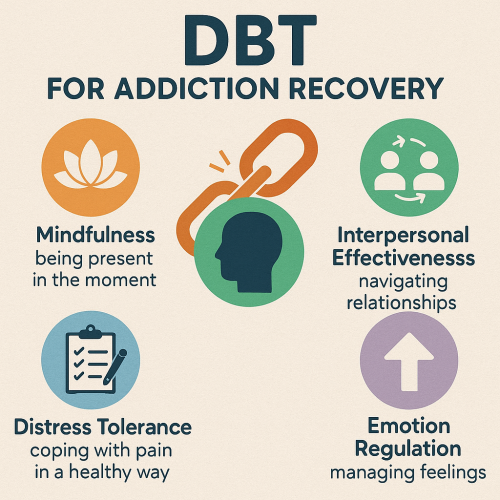
Dialectical Behavior Therapy (DBT) is a structured, evidence-based approach that helps individuals manage intense emotions, tolerate distress, and improve relationships—skills that are vital for those coping with both PTSD and substance use. At Tulip Hill Healthcare, DBT is integrated into trauma-informed treatment plans to help clients break the cycle of using substances as a coping mechanism.
For trauma survivors, these skills are essential in managing triggers and building resilience. DBT empowers individuals to respond to emotional pain in healthier ways, supporting long-term recovery and a renewed sense of self.
Cognitive Behavioral Therapy (CBT)
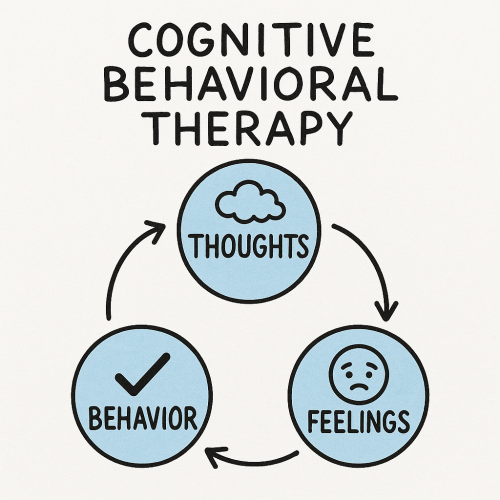
Cognitive Behavioral Therapy (CBT) helps individuals identify and change negative thought patterns and behaviors. In trauma treatment, CBT can help people understand how their thoughts about the traumatic event affect their emotions and actions, including their substance use patterns.
Trauma-Focused CBT Trauma-Focused:
CBT specifically addresses the connection between trauma symptoms and substance use, helping individuals develop healthier coping strategies and process their experiences in a safe, structured environment.
Mindfulness and Meditation Practices
Cognitive behavioral therapy pairs well with meditation and yoga sessions in teaching how to manage stress and handle discomfort. Mindfulness-based interventions have become increasingly recognized as powerful tools in addiction recovery, helping individuals develop greater awareness of their thoughts, emotions, and physical sensations without immediately reacting through substance use.
Various forms of meditation may be incorporated into treatment, including mindfulness meditation, loving-kindness meditation, body scan techniques, and walking meditation. These practices provide individuals with practical tools they can use throughout their recovery journey to manage stress, reduce anxiety, and maintain emotional balance.
Physical Wellness and Body-Based Therapies
With holistic approaches such as yoga, meditation, massage therapy, and acupuncture, patients may see improvements not only in their rehabilitation but also in their overall physical and mental wellbeing.
Yoga combines physical postures, breathing techniques, and mindfulness practices to promote physical strength, flexibility, and mental calm. For individuals in addiction recovery, yoga provides a healthy way to manage stress, reduce anxiety, and develop a more positive relationship with their body.
Massage therapy and acupuncture can help reduce physical tension, promote relaxation, and support the body’s natural healing processes during recovery. These therapies may be particularly beneficial for individuals experiencing withdrawal symptoms or physical discomfort related to their addiction.
Exercise therapy and outdoor activities promote physical health while also providing natural mood enhancement through the release of endorphins. Regular physical activity has been shown to reduce cravings, improve sleep quality, and enhance overall mental health.
Nutritional Therapy and Wellness Education
Addiction often takes a significant toll on physical health, including nutritional deficiencies and metabolic imbalances. Nutritional therapy as part of holistic addiction treatment focuses on restoring physical health through proper nutrition while also educating individuals about the connection between diet and mental health.
Nutritional counseling may include meal planning, education about the impact of various foods on mood and energy levels, and strategies for maintaining healthy eating habits that support recovery. Many individuals discover that proper nutrition significantly improves their mood, energy levels, and overall sense of wellbeing.
Why Choose Tulip Hill Recovery in Murfreesboro, TN?
Why Choose Tulip Hill Recovery?
Tulip Hill Recovery offers a uniquely holistic approach:
✅ Full continuum of care—detox, inpatient, outpatient
✅ Certified dual diagnosis and trauma-informed treatment
✅ Veteran and faith-based program tracks
✅ Tranquil, secure setting in central Murfreesboro
✅ Long-term recovery planning, not just detox stabilization
Tulip Hill Healthcare’s Integrated Treatment Model
At Tulip Hill Healthcare, we understand that effective treatment must address the whole person, not just individual symptoms. Our integrated approach combines evidence-based trauma therapies with comprehensive addiction treatment, creating a foundation for lasting recovery. Whether you’re in need of PTSD and alcohol abuse or drug abuse treatment, our model can help.
Our clinical team includes licensed therapists trained in trauma-informed care, ensuring that every aspect of treatment considers the impact of traumatic experiences. We offer individual therapy, group counseling, and specialized programs designed to help clients process their trauma while building practical skills for maintaining sobriety.
- EMDR Therapy
Tulip Hill Recovery provides specialized EMDR therapy at our Murfreesboro location. This evidence-based treatment helps individuals reprocess traumatic memories in a safe, controlled environment. EMDR has been extensively researched and proven effective for treating PTSD and drug abuse, with many clients experiencing significant symptom reduction in relatively few sessions.
Our EMDR therapists work closely with addiction counselors to ensure that trauma processing supports rather than disrupts recovery efforts. This coordinated approach helps prevent the emotional overwhelm that can sometimes trigger relapse during trauma work.
- Rehab for Veterans
Veterans face unique challenges in recovery, often dealing with combat-related trauma, military sexual trauma, or difficulties transitioning to civilian life. Tulip Hill’s veteran-focused programs recognize these specific needs and provide culturally competent care. Whether you’re a vet looking for PTSD and alcoholism treatment or drug treatment, we can help.
Our veteran services include trauma-informed addiction treatment that understands military culture and the specific types of trauma veterans may have experienced. We also work with TRICARE and other veteran-specific benefits to ensure accessible care.
The program addresses not only PTSD and substance use disorders but also issues like moral injury, survivor guilt, and the challenge of translating military skills and identity to civilian life. Veterans often find comfort in connecting with other veterans who understand their experiences firsthand.
Treatment Programs at Tulip Hill Healthcare
Medical Detox
Tulip Hill Healthcare
Tulip Hill Healthcare offers several Alcohol & Drug Detox Centers in Tennessee and Kentucky. All of our facilities offer a welcoming environment designed to make your detox as safe and comfortable as possible.
- 24/7 Medical Support: Our dedicated team of healthcare professionals provides round-the-clock monitoring to address any withdrawal symptoms immediately.
- Personalized Treatment Plans: Each client’s detox plan is tailored to their specific needs, ensuring the highest likelihood of success.
- Luxury Amenities: Clients can enjoy a serene environment with private, comfortable accommodations and modern facilities.
- Nutritious Meals: Maintaining physical health is critical during detox, and our chefs prepare well-balanced, nourishing meals daily.
- Holistic Care: Tulip Hill Healthcare’s network of Alcohol & Drug Detox Centers in Tennessee and Kentucky include therapies such as mindfulness exercises, yoga, and counseling to address not only the physical but also the emotional and mental aspects of addiction.
Drug and Alcohol Rehab
Tulip Hill Healthcare
At Tulip Hill Healthcare, our network of drug rehab and alcohol rehab facilities across both states are dedicated to providing personalized care for each individual in need of treatment. Our multidisciplinary team of medical professionals, therapists, and support staff work together to create an integrated approach to addiction treatment that focuses on the physical, emotional, and spiritual well-being of our patients.
Partial Hospitalization Program
Tulip Hill Healthcare specializes in providing comprehensive PHP services across multiple locations in Tennessee and Kentucky. Our PHP program rehab centers in TN and KY emphasize individualized treatment that addresses both addiction and co-occurring mental health conditions through evidence-based therapeutic methods.
Intensive Outpatient Program (IOP)
Recovery from addiction doesn’t have to mean putting your life on hold. At Tulip Hill Healthcare, our Intensive Outpatient Program (IOP) offers comprehensive treatment that fits around your work, school, and family responsibilities. Our evidence-based approach combines flexibility with intensive care, making recovery accessible for individuals who need structured support without stepping away from daily life.
Outpatient Program (OP)
At Tulip Hill Healthcare, our Outpatient Program (OP) provides structured support, evidence-based therapies and compassionate care without requiring a residential stay. Each of our addiction rehab outpatient programs is designed to be progressive, flexible and integrated with your life, not separate from it. Whether you’re just beginning treatment or stepping down from inpatient care, there’s a structured outpatient option to support your next step.
Why Choose Tulip Hill Healthcare?
With so many drug and alcohol treatment centers Nashville TN and KY offer, choosing the right one can feel overwhelming. Here’s why Tulip Hill Healthcare’s network of rehab centers should be your top choice.

Compassionate Support
Addiction can be a difficult journey for both the individual struggling with it and their loved ones. When it comes to alcohol addiction, we know the road to recovery is rarely a straight line. At each of our rehab centers, we understand the importance of providing compassionate support throughout this journey.

Focus on Long-Term Recovery
Through aftercare and relapse prevention programs, our team supports individuals long after completing their primary treatment course. By creating a safe, supportive environment for healing, Tulip Hill Healthcare stands out as a leader in alcohol addiction treatment. You’ll notice walking into our drug and alcohol rehab centers means walking into a world of luxury, serenity, and recovery in TN and KY.
Moving Forward: Hope and Healing from Trauma and Addiction
At Tulip Hill Healthcare, we believe that true healing encompasses all aspects of human experience, mind, body, and spirit. Our comprehensive holistic therapy programs provide individuals with the tools, support, and guidance needed to achieve lasting recovery while developing a fulfilling, balanced lifestyle that supports long-term sobriety.
Our experienced team understands that each person’s recovery journey is unique, and we work collaboratively with each individual to develop personalized treatment plans that incorporate both evidence-based clinical interventions and holistic approaches that resonate with their personal values and preferences.
Recovery from addiction is not just about stopping substance use—it’s about reclaiming your life, reconnecting with your authentic self, and developing the skills and support systems needed to thrive in all aspects of life. Through our integrated approach combining traditional addiction treatment with holistic therapies, we help individuals build a strong foundation for lasting recovery and personal growth.
If you’re ready to explore how holistic therapy for addiction treatment can support your recovery journey, we encourage you to reach out to our compassionate team at Tulip Hill Healthcare. We’re here to help you discover the comprehensive, personalized approach to recovery that can transform your life and support your long-term wellness goals.
Tulip Hill Healthcare Drug and Alcohol Rehab Centers
Frequently Asked Questions
What is PTSD?
Post-traumatic stress disorder (PTSD) is a mental health condition that develops after experiencing or witnessing a traumatic event. Symptoms include intrusive memories, nightmares, avoidance of trauma-related triggers, negative changes in thinking and mood, and changes in physical and emotional reactions. PTSD can significantly impact daily functioning and relationships.
What are common symptoms of PTSD?
Common PTSD symptoms include flashbacks or intrusive memories of the traumatic event, nightmares, severe emotional distress when reminded of the trauma, avoidance of trauma-related thoughts or situations, negative thoughts about oneself or the world, difficulty experiencing positive emotions, hypervigilance, exaggerated startle response, concentration problems, and sleep difficulties.
What is trauma-informed therapy?
Trauma-informed therapy is an approach that recognizes the widespread impact of trauma and understands potential paths for recovery. It emphasizes physical, psychological, and emotional safety for both clients and providers, and creates opportunities for survivors to rebuild a sense of control and empowerment. This approach avoids re-traumatization and considers how trauma affects all aspects of a person’s life. All effective PTSD and substance-related disorders should use trauma-informed therapy.
What therapies are used to treat PTSD and trauma?
Several evidence-based therapies effectively treat PTSD and trauma, including Eye Movement Desensitization and Reprocessing (EMDR), Cognitive Behavioral Therapy (CBT), Trauma-Focused CBT, Dialectical Behavior Therapy (DBT), and various forms of exposure therapy. The most effective approach depends on individual needs and the nature of the trauma experienced.
Can PTSD therapy help with addiction recovery?
Yes, PTSD and addiction therapy can significantly support both recoveries. Since many people use substances to cope with trauma symptoms, addressing the underlying trauma often reduces the drive to self-medicate. Integrated treatment that addresses both PTSD and substance dependence simultaneously typically produces better outcomes than treating either condition alone.
How do I get started with PTSD and trauma therapy?
Getting started with PTSD and trauma therapy begins with reaching out to a qualified mental health provider or treatment center that specializes in trauma-informed care. Many providers offer initial assessments to determine the best treatment approach. If you’re also struggling with addiction, look for programs that can address both conditions simultaneously through integrated treatment.
Get Family Support Now
Supporting Families Through Recovery
We understand addiction affects the whole family. Our comprehensive family program helps rebuild trust and restore relationships.
Weekly Family Therapy Sessions
Educational Workshops
Support Groups
Communication Skills Training
→ Contributors
Board-Certified Psychiatrist and Addictionologist
Board Certified Clinical Social Worker
Medically Reviewed By:
Dr. Vahid Osman, M.D.Board-Certified Psychiatrist and Addictionologist
Dr. Vahid Osman is a Board-Certified Psychiatrist and Addictionologist who has extensive experience in skillfully treating patients with mental illness, chemical dependency and developmental disorders. Dr. Osman has trained in Psychiatry in France and in Austin, Texas. Read more.
Clinically Reviewed By:
Josh Sprung, L.C.S.W.Board Certified Clinical Social Worker
Joshua Sprung serves as a Clinical Reviewer at Tennessee Detox Center, bringing a wealth of expertise to ensure exceptional patient care. Read More
→ Sources
- American Psychiatric Association. (2018). What is PTSD?. https://www.psychiatry.org/patients-families/ptsd/what-is-ptsd
- American Psychological Association. (2017). Clinical practice guideline for the treatment of posttraumatic stress disorder (PTSD) in adults. https://www.apa.org/ptsd-guideline/ptsd.pdf
- American Psychological Association. (2019). What is psychotherapy?. https://www.apa.org/topics/psychotherapy
- Centers for Disease Control and Prevention. (2022, October 14). Alcohol use and your health. https://www.cdc.gov/alcohol/fact-sheets/alcohol-use.htm
- Centers for Disease Control and Prevention. (2024, June 26). About mental health. https://www.cdc.gov/mentalhealth/learn/index.htm
- Centers for Disease Control and Prevention. (2024, June 26). Learn about mental health. https://www.cdc.gov/mentalhealth/learn
- Mayo Foundation for Medical Education and Research. (2023, February 3). Drug addiction (substance use disorder). Mayo Clinic. https://www.mayoclinic.org/diseases-conditions/drug-addiction
- National Institute on Drug Abuse. (2023, June 13). Understanding drug use and addiction. National Institutes of Health. https://nida.nih.gov/publications/drugfacts/understanding-drug-use-addiction
- National Institute on Drug Abuse. (2024, March 11). Drug facts: Treatment approaches for drug addiction. National Institutes of Health. https://nida.nih.gov/publications/drugfacts/treatment-approaches-drug-addiction
- National Institute on Drug Abuse. (2024, June 17). Medications for substance use disorders. National Institutes of Health. https://nida.nih.gov/publications/research-reports/medications-to-treat-opioid-addiction
- Substance Abuse and Mental Health Services Administration. (2023, March 20). Outpatient treatment programs. U.S. Department of Health and Human Services. https://www.samhsa.gov/find-help/treatment/outpatient
- Substance Abuse and Mental Health Services Administration. (2024, May 10). What is substance use disorder?. U.S. Department of Health and Human Services. https://www.samhsa.gov/find-help/what-is-substance-use-disorder
- U.S. Department of Veterans Affairs. (2019). PTSD: National center for PTSD. https://www.ptsd.va.gov
→ Accreditations & Licenses
The Joint Commission – The Gold Seal of Approval® signifies that Tulip Hill Healthcare meets or exceeds rigorous national standards for patient care, safety, and quality.
LegitScript Certified – Confirms compliance with laws and standards for transparency and ethical marketing in addiction treatment.
BBB Accredited – Demonstrates Tulip Hill Healthcare’s commitment to ethical business practices and community trust.
Psychology Today Verified – Indicates a verified listing on Psychology Today for trustworthy treatment services.
HIPAA Compliant – Ensures patient information is protected under federal privacy regulations.
ASAM Member – Reflects a commitment to science-based addiction treatment as a member of the American Society of Addiction Medicine.
Nashville Chamber of Commerce Member – Signifies active engagement in community and regional development efforts.
CARF Accredited – Demonstrates that Tulip Hill Healthcare meets internationally recognized standards for quality, accountability, and service excellence in behavioral health care.
About Us
Take the First Step Toward Recovery at Tulip Hill Healthcare | Premier Drug Rehab in Tennessee and Kentucky
Your journey to a healthier, happier life starts with a single step. At Tulip Hill Healthcare in Nashville, we’re here to provide the support, care, and expertise you need to overcome addiction and rebuild your life. Reaching out for help can feel daunting, but it’s the most important decision you’ll make for yourself and your loved ones.
Don’t wait—contact us today to learn more about our programs and take control of your future. Call us today or fill out our quick and confidential contact form to get started. A brighter, substance-free tomorrow is just a call away.