Areas We Serve for Drug & Alcohol Rehab in Tennessee & Kentucky

Tulip Hill Healthcare proudly provides comprehensive drug and alcohol rehab services to individuals and families across Tennessee and neighboring regions in Kentucky. Whether you’re located in a major city like Nashville or a smaller community in Middle Tennessee, our team is committed to helping you access high-quality, compassionate addiction treatment close to home.

We understand that searching for “drug rehab near me” or “alcohol treatment in Tennessee” can feel overwhelming—especially when you or a loved one needs help quickly. That’s why we’ve built a streamlined admissions process that allows individuals throughout Tennessee and Kentucky to access detox, residential treatment, outpatient care, and dual diagnosis services without unnecessary delays.

No matter where you’re located, Tulip Hill Healthcare makes it easy to begin recovery. From insurance verification to transportation coordination, our admissions specialists are here to guide you every step of the way.

Drug & Alcohol Rehab in Major Tennessee Cities

Middle Tennessee Addiction Treatment Services

Tulip Hill Healthcare primarily serves individuals throughout Middle Tennessee, including:

  • Nashville
  • Murfreesboro
  • Franklin
  • Brentwood
  • Smyrna
  • Columbia
  • Clarksville

Middle Tennessee residents benefit from close proximity to our facility, making it easier to access detox, residential treatment, and outpatient programs.

Drug Rehab in Nashville, TN

If you’re searching for drug rehab in Nashville, Tulip Hill Healthcare offers convenient access to comprehensive addiction treatment services just a short drive away. Many Nashville residents choose our programs for medically supervised detox, residential care, and outpatient treatment in a structured and supportive environment.

Our team works with individuals across Davidson County to provide personalized treatment plans that address both substance use and underlying mental health conditions. Whether you’re struggling with alcohol addiction, opioid dependence, or prescription drug misuse, we provide evidence-based care designed for long-term recovery.

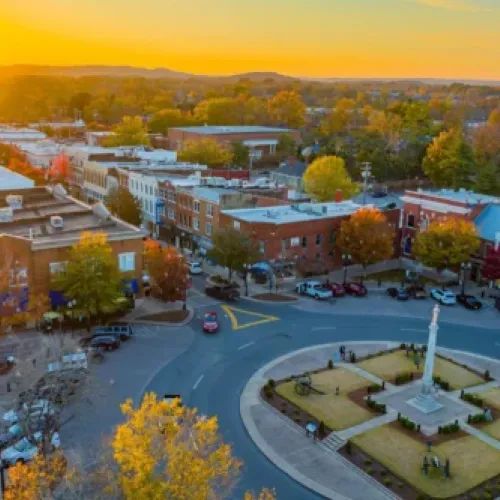
A vibrant view of downtown Murfreesboro showcasing the courthouse square, highlighting the supportive community and serene environment near our Drug and Alcohol Rehab Center in Murfreesboro.

Drug Rehab in Murfreesboro, TN

For individuals seeking drug rehab in Murfreesboro, Tulip Hill Healthcare offers accessible, high-quality care tailored to your needs. Located near Rutherford County, our facility is a trusted choice for residents looking for effective and compassionate addiction treatment.

We provide a full continuum of care, including detox, residential treatment, and outpatient programs. Murfreesboro clients benefit from individualized treatment plans, family support services, and relapse prevention strategies that support lasting recovery.

Drug Rehab in Clarksville, TN

Residents searching for drug rehab in Clarksville can access comprehensive treatment at Tulip Hill Healthcare with ease. We serve individuals throughout Montgomery County who are ready to take the first step toward recovery.

Our programs are designed to support individuals dealing with substance use disorders as well as co-occurring mental health conditions. With a focus on long-term success, we provide therapy, medical support, and structured care in a safe and welcoming environment.

Drug Rehab in Franklin, TN

If you’re looking for drug rehab in Franklin, Tulip Hill Healthcare provides nearby access to personalized addiction treatment services. Many individuals in Williamson County choose our programs for their privacy, clinical excellence, and supportive atmosphere.

We offer detox, inpatient treatment, and outpatient care to meet you at any stage of recovery. Our team also works closely with families to provide education and support throughout the treatment process.

Drug Rehab in Brentwood, TN

For those searching for drug rehab in Brentwood, Tulip Hill Healthcare offers a trusted option for high-quality addiction care. Located near Brentwood, our programs are ideal for individuals seeking structured, evidence-based treatment in a peaceful setting.

We help Brentwood residents overcome addiction through individualized care plans that include therapy, medical support, and relapse prevention strategies designed for long-term success.

Drug Rehab in Smyrna, TN

Smyrna residents seeking drug rehab can access comprehensive care at Tulip Hill Healthcare. Our facility is conveniently located for individuals in Rutherford County who need detox, residential treatment, or outpatient services.

We provide a supportive environment where individuals can focus on healing physically, emotionally, and mentally.

Drug Rehab in Columbia, TN

If you’re searching for drug rehab in Columbia, Tulip Hill Healthcare offers effective treatment solutions designed to support lasting recovery. We serve individuals throughout Maury County who are ready to take control of their lives.

Our programs combine clinical care, therapy, and holistic support to address the root causes of addiction.

Live Again Detox

Live Again Detox is a premier medical detox and early recovery center in Nashville, Tennessee, providing compassionate, evidence-based detoxification for individuals overcoming alcohol and drug dependence.

As part of the Tulip Hill Healthcare family, the facility combines 24/7 medical supervision, personalized care plans, and comfortable, retreat-like accommodations to safely manage withdrawal and lay the foundation for lasting recovery.

With a dedicated clinical team and a supportive environment focused on the whole person, Live Again Detox helps clients take the crucial first step toward healing and a healthier future.

Tennessee Detox Center

Tennessee Detox Center is a leading medical detox facility dedicated to helping individuals safely and comfortably begin their recovery from drug and alcohol addiction.

Located in Tennessee, the center provides 24/7 medical supervision, evidence-based withdrawal management, and personalized treatment planning to ensure each client receives compassionate, individualized care.

With a highly trained clinical team and a supportive, structured environment, Tennessee Detox Center focuses on stabilizing clients physically and emotionally while preparing them for the next phase of long-term treatment and lasting recovery.

Tulip Hill Recovery

Tulip Hill Recovery is a compassionate, family-owned addiction treatment center dedicated to helping individuals reclaim their lives through evidence-based care and genuine human connection.

With a focus on personalized addiction treatment, mental health support, and long-term recovery, our team provides a safe and supportive environment where clients can heal, grow, and build a healthier future.

Located in the heart of Tennessee, Tulip Hill Recovery combines clinical excellence with a warm, welcoming atmosphere that feels like home.

Addiction Treatment Services for Kentucky Residents

Drug Rehab in Southern Kentucky

Tulip Hill Healthcare also serves individuals throughout Southern Kentucky, providing accessible addiction treatment for those searching for rehab near the Tennessee border.

We commonly work with clients from:

Kentucky residents often choose our programs due to our comprehensive services, private setting, and personalized approach to care.

Why Kentucky Residents Choose Tulip Hill Healthcare

Many individuals in Kentucky travel to our facility because we offer:

  • Medically supervised detox
  • Residential addiction treatment
  • Outpatient programs
  • Dual diagnosis care
  • Insurance-friendly admissions

Our team helps coordinate every aspect of the process, making it easy to begin treatment—even if you’re traveling from out of state.

Serenity Ranch Recovery – Treatment in the Heart of Kentucky

In Mammoth Cave, Kentucky, Serenity Ranch Recovery offers hope for individuals seeking freedom from substance use disorders and mental health challenges.

Our expert team uses evidence-based and holistic therapies—including individual and group counseling, wellness activities, and integrated dual-diagnosis treatment—to create personalized plans that foster resilience and lasting sobriety.

Set on a tranquil campus surrounded by Kentucky’s natural beauty, we provide a supportive community dedicated to healing and rebuilding your life

Lexington Addiction Center – Drug Rehab in Kentucky

The Lexington Addiction Center, another vital part of our Kentucky presence, provides a comprehensive continuum of care designed to empower individuals on their journey to recovery. Our multidisciplinary team adopts an integrative treatment model that addresses the psychological, social, and physiological facets of addiction and mental health. From intensive outpatient programs to ongoing support groups, we provide the resources and support necessary to navigate the challenges of recovery while fostering personal growth and enduring change.

Louisville Addiction Center – Kentucky Rehab Center

In Kentucky, the Louisville Addiction Center offers hope for individuals seeking freedom from addiction and mental health struggles. Our expert clinicians are equipped with the knowledge and tools to address a wide range of substance use disorders and mental health conditions. We emphasize a patient-centered approach, creating personalized treatment plans that foster resilience, self-discovery, and lasting sobriety. Here, you’ll find a supportive community dedicated to wellness, offering a safe space to heal and rebuild.

How to Get to Rehab From Your Area

No matter where you’re located in Tennessee or Kentucky, starting treatment at Tulip Hill Healthcare is simple and stress-free.

Easy Admissions Process

Our admissions specialists will:

  • Verify your insurance benefits
  • Explain your treatment options
  • Answer any questions about the process

Transportation Assistance

We understand that transportation can be a barrier. That’s why we help coordinate travel arrangements for individuals coming from different cities and regions.

Same-Day or Next-Day Placement

In many cases, we can arrange same-day or next-day admission so you can begin treatment as soon as possible.

Support for Families

We also work closely with families to ensure they feel informed and supported throughout the process.

Our Location & Service Area

Tulip Hill Healthcare is conveniently located to serve individuals throughout Tennessee and Kentucky. Our peaceful, private setting allows clients to focus fully on recovery while remaining within reach of major cities.

We regularly welcome clients traveling from:

  • Nashville metro area
  • Middle Tennessee communities
  • Southern Kentucky regions

Our goal is to make high-quality addiction treatment accessible—no matter where you’re starting from.

Get Directions to Tulip Hill Healthcare

Call or message us

You’ll connect with a compassionate admissions coordinator who understands what you’re going through.

Free assessment

We’ll ask about your drug use, medical history, and mental health to help build the right plan.

Insurance check

We’ll verify your benefits and explain exactly what’s covered—no surprises.

Choose a start date

If you’re ready, we can often schedule your intake the same week.
→ Sources
  1. Mayo Foundation for Medical Education and Research. (2025, June 20). Drug addiction (substance use disorder). Mayo Clinic. https://www.mayoclinic.org/diseases-conditions/drug-addiction/symptoms-causes/syc-20365112
  2. SHADAC Staff        and External Authors. (2025, January 6). During the pandemic, drug overdoses became the third leading cause of death for U.S. adolescents. SHADAC. https://www.shadac.org/news/adolescent-drug-overdose-deaths-pandemic-third-leading-cause-death#:~:text=From%202019%20to,g.%2C%20automobile%20collisions). 
  3. U.S. Department of Health and Human Services. (2024, December 17). Reported use of most drugs among adolescents remained low in 2024. National Institutes of Health. https://nida.nih.gov/news-events/news-releases/2024/12/reported-use-of-most-drugs-among-adolescents-remained-low-in-2024  
  4. Centers for Disease Control and Prevention. (n.d.). E-cigarette use among youth. Centers for Disease Control and Prevention. https://www.cdc.gov/tobacco/e-cigarettes/youth.html
  5. Centers for Disease Control and Prevention. (n.d.-a). About underage drinking. Centers for Disease Control and Prevention. https://www.cdc.gov/alcohol/underage-drinking/  
  6. Centers for Disease Control and Prevention. (n.d.-c). Substance use among youth. Centers for Disease Control and Prevention. https://www.cdc.gov/youth-behavior/risk-behaviors/substance-use-among-youth.html  
  7. Whitesell, M., Bachand, A., Peel, J., & Brown, M. (2013). Familial, social, and individual factors contributing to risk for adolescent substance use. Journal of addiction. https://pmc.ncbi.nlm.nih.gov/articles/PMC4008086/#:~:text=Adolescents%20are%20particularly%20susceptible%20to%20involvement%20in%20substance%20use%20due%20to%20the%20underdeveloped%20state%20of%20the%20adolescent%20brain%2C%20which%20can%20lead%20to%20reduced%20decision%2Dmaking%20ability%20and%20increased%20long%2Dterm%20effects%20of%20drugs%20and%20alcohol.  
  8. U.S. Department of Health and Human Services. (n.d.). The Teen Brain: 7 things to know. National Institute of Mental Health. https://www.nimh.nih.gov/health/publications/the-teen-brain-7-things-to-know#:~:text=Changes%20to%20the,of%20a%20decision.  
  9. Henok  Zeratsion, C. B. B. (2014, June 13). Does parental divorce increase risk behaviors among 15/16 and 18/19 year-old adolescents? A study from Oslo, Norway. Clinical Practice and Epidemiology in Mental Health. https://clinical-practice-and-epidemiology-in-mental-health.com/VOLUME/10/PAGE/59/FULLTEXT/#:~:text=divorce%2C%20risk%20behaviors.-,INTRODUCTION,their%20counterparts%20without%20such%20experience.  
  10. Foy, C. (2022, July 22). Addiction and children of divorce – what the stats reveal. FHE Health. https://fherehab.com/learning/addiction-children-of-divorce#:~:text=A%20Lebanese%20study%20published%20in,by%20addiction%20due%20to%20divorce.  
  11. Waldron, M., Grant, J. D., Bucholz, K. K., Lynskey, M. T., Slutske, W. S., Glowinski, A. L., Henders, A., Statham, D. J., Martin, N. G., & Heath, A. C. (2014, January 1). Parental separation and early substance involvement: Results from children of alcoholic and cannabis dependent twins. Drug and alcohol dependence. https://pmc.ncbi.nlm.nih.gov/articles/PMC3908916/#:~:text=Parental%20separation%20or%20divorce%20provides,cannabis%20dependence%2C%20including%20genetic%20risks. 
  12. Hamdan, S., Melhem, N. M., Porta, G., Song, M. S., & Brent, D. A. (2013, August). Alcohol and substance abuse in parentally bereaved youth. The Journal of clinical psychiatry. https://pmc.ncbi.nlm.nih.gov/articles/PMC4037812/  
  13. Bell, T. M., Raymond, J., Vetor, A., Mongalo, A., Adams, Z., Rouse, T., & Carroll, A. (2019, October). Long-term prescription opioid utilization, substance use disorders, and opioid overdoses after adolescent trauma. The journal of trauma and acute care surgery. https://pmc.ncbi.nlm.nih.gov/articles/PMC6745292/#:~:text=Injured%20adolescents%20have%20a,overdose%20and%20SUD%20diagnoses 
  14. Gansner, M., Horton, A. K., Singh, R., & Schuman-Olivier, Z. (2025, August 11). Exploring relationships between social media use, online exposure to drug-related content, and youth substance use in real time: A pilot ecological momentary assessment study in a clinical sample of adolescents and young adults. Frontiers. https://www.frontiersin.org/journals/child-and-adolescent-psychiatry/articles/10.3389/frcha.2024.1369810/full#:~:text=a%20significant%20relationship%20exists%20between%20exposure%20to%20substance%2Drelated%20social%20media%20content%20and%20use%20of%20drugs%20and%20alcohol  
  15. Ramo, D. E., & Costello, C. R. (n.d.). Social Media and substance use: What should we be recommending to teens and their parents? – journal of adolescent health. Journal of Adolescent Health. https://www.jahonline.org/article/S1054-139X(17)30158-1/fulltext  
  16. U.S. Department of Health and Human Services. (2022, June 13). What are the signs of having a problem with drugs?. National Institutes of Health. https://nida.nih.gov/research-topics/parents-educators/conversation-starters/what-are-signs-having-problem-drugs  
  17. Sams, J. (2024, September 17). Signs of teen substance abuse: What medical professionals look for. NursingEducation. https://nursingeducation.org/resources/teen-substance-abuse/ 
  18. Signs of Drug Use in Teens. Partnership to End Addiction. (2024, September 3). https://drugfree.org/article/signs-of-drug-use-in-teens/  
  19. U.S. Department of Health and Human Services. (2025, June 27). Drugs A to Z. National Institutes of Health. https://nida.nih.gov/research-topics/drugs-a-to-z  
  20. World Health Organization. (2022, June 22). Mental health. World Health Organization. https://www.who.int/news-room/fact-sheets/detail/mental-health-strengthening-our-response#:~:text=Mental%20health%20is%20a%20state%20of%20mental%20well%2Dbeing%20that%20enables%20people%20to%20cope%20with%20the%20stresses%20of%20life%2C%20realize%20their%20abilities%2C%20learn%20well%20and%20work%20well%2C%20and%20contribute%20to%20their%20community. 
  21. Mental health for adolescents. HHS Office of Population Affairs. (n.d.). https://opa.hhs.gov/adolescent-health/mental-health-adolescents  
  22. Compass Health Center. (2025, June 20). Teen Mental Health Facts and Statistics 2024. https://compasshealthcenter.net/blog/teen-mental-health-statistics/#:~:text=42%25%20of%20teens%20experience%20persistent%20feelings%20of%20sadness%20or%20hopelessness  
  23. U.S. Department of Health and Human Services. (n.d.-a). Any anxiety disorder. National Institute of Mental Health. https://www.nimh.nih.gov/health/statistics/any-anxiety-disorder#:~:text=An%20estimated%2031.9%25%20of%20adolescents%20had%20any%20anxiety%20disorder.  
  24. The NCES Fast Facts of Bullying. National Center for Education Statistics (NCES) Home Page, a part of the U.S. Department of Education. (n.d.). https://nces.ed.gov/fastfacts/display.asp?id=719#:~:text=In%202021%E2%80%9322%2C%20about%2019%20percent%20of%20students%20ages%2012%E2%80%93181%20reported%20being%20bullied2%20during%20school%2C3%20which%20was%20lower%20than%20the%20percentage%20who%20reported%20this%20in%202010%E2%80%9311%20(28%20percent) 
  25. Bowler, A. (2024, July 30). Isolation Among Generation Z in the United States. Ballard Brief. https://ballardbrief.byu.edu/issue-briefs/isolation-among-generation-z-in-the-united-states  
  26. Depression in Teens and Children. Johns Hopkins Medicine. (2024, October 30). https://www.hopkinsmedicine.org/health/conditions-and-diseases/depression-in-children  
  27. Anxiety in Teens: Causes, Symptoms & Treatment. Granite Hills Hospital. (2024, May 13). https://granitehillshospital.com/blog/anxiety-in-teens-causes-symptoms-treatment/  
  28. Our Epidemic of Loneliness and Isolation. Our Epidemic of Loneliness and Isolation: The U.S. Surgeon General’s Advisory on the Healing Effects of Social Connection and Community. (2023). https://www.hhs.gov/sites/default/files/surgeon-general-social-connection-advisory.pdf 
  29. Loneliness is Hard (For Kids and Teens). Mental Health America. (n.d.). https://mhanational.org/resources/loneliness-is-hard-for-kids-and-teens/  
  30. Assistant Secretary for Public Affairs (ASPA). (2021, November 11). Warning Signs For Bullying. StopBullying.gov. https://www.stopbullying.gov/bullying/warning-signs  
  31. Mayo Foundation for Medical Education and Research. (2022, August 12). Teen Depression. Mayo Clinic. https://www.mayoclinic.org/diseases-conditions/teen-depression/symptoms-causes/syc-20350985  
  32. Smith, M., Robinson, L., Segal, J., & Reid, S. (2025, January 16). Parent’s Guide to Teen Depression. HelpGuide.org. https://www.helpguide.org/mental-health/depression/parents-guide-to-teen-depression  
  33. U.S. Department of Health and Human Services. (n.d.-a). Any Anxiety Disorder. National Institute of Mental Health. https://www.nimh.nih.gov/health/statistics/any-anxiety-disorder#:~:text=The%20prevalence%20of%20any%20anxiety%20disorder%20among%20adolescents%20was%20higher%20for%20females%20(38.0%25)%20than%20for%20males%20(26.1%25).  
  34. Twenge, J. M., Haidt, J., Blake, A. B., McAllister, C., Lemon, H., & Le Roy, A. (2021a, July 20). Worldwide Increases In Adolescent Loneliness. Journal of Adolescence. https://pubmed.ncbi.nlm.nih.gov/34294429/#:~:text=Increases%20in%20loneliness%20were%20larger%20among%20girls%20than%20among%20boys%20and%20in%20countries%20with%20full%20measurement%20invariance.  
  35. Cohen, S. (2024, April 3). Girls are struggling with their mental health. Here’s what parents can do. UCLA Health. https://www.uclahealth.org/news/article/girls-are-struggling-with-their-mental-health-heres-what 
  36. Dube, S. R., Anda, R. F., Whitefield, C. L., Brown, D. W., Felitti, V. J., Dong, M., & Giles, W. H. (n.d.). Long-Term Consequences of Childhood Sexual Abuse by Gender of Victim – American Journal of Preventive Medicine. American Journal of Preventive Medicine. https://www.ajpmonline.org/article/S0749-3797(05)00078-4/abstract  
  37. Social Media and Youth Mental Health. (2023). https://www.hhs.gov/sites/default/files/sg-youth-mental-health-social-media-advisory.pdf  
  38. Carvalho, S. A., & Carona, C. (2025, April 16). Improving mental health practice with boys and men: Core challenges and guidance for clinicians. Cambridge Core. https://www.cambridge.org/core/journals/bjpsych-advances/article/abs/improving-mental-health-practice-with-boys-and-men-core-challenges-and-guidance-for-clinicians/D56EA8371AA31EF47786DE34AA769D1F  
  39. Sheikh, A., Payne-Cook, C., Lisk, S., Carter, B., & Brown, J. S. L. (2024, July 14). Why do young men not seek help for affective mental health issues? A systematic review of perceived barriers and facilitators among adolescent boys and young men. https://pmc.ncbi.nlm.nih.gov/articles/PMC11868194/  
  40. Gray, K. M., & Squeglia, L. M. (2018, June 1). Research Review: What Have We Learned About Adolescent Substance Use?. Journal of child psychology and psychiatry, and allied disciplines. https://pmc.ncbi.nlm.nih.gov/articles/PMC5771977/  
→ Accreditations & Licenses
The Joint Commission

The Joint Commission – The Gold Seal of Approval® signifies that Tulip Hill Healthcare meets or exceeds rigorous national standards for patient care, safety, and quality.

LegitScript Certified

LegitScript Certified – Confirms compliance with laws and standards for transparency and ethical marketing in addiction treatment.

BBB Accredited

BBB Accredited – Demonstrates Tulip Hill Healthcare’s commitment to ethical business practices and community trust.

Psychology Today Verified

Psychology Today Verified – Indicates a verified listing on Psychology Today for trustworthy treatment services.

HIPAA Compliant

HIPAA Compliant – Ensures patient information is protected under federal privacy regulations.

ASAM Member

ASAM Member – Reflects a commitment to science-based addiction treatment as a member of the American Society of Addiction Medicine.

Nashville Chamber of Commerce Member

Nashville Chamber of Commerce Member – Signifies active engagement in community and regional development efforts.

CARF Accredited

CARF Accredited – Demonstrates that Tulip Hill Healthcare meets internationally recognized standards for quality, accountability, and service excellence in behavioral health care.

Secret Link