Tennessee Intensive Outpatient Program
Recovery from addiction does not have to mean putting your life on hold. Tulip Hill Healthcare offers structured treatment that fits around work, school, and family responsibilities.
Recovery from addiction doesn’t have to mean putting your life on hold. At Tulip Hill Healthcare, our Intensive Outpatient Program (IOP) offers comprehensive treatment that fits around your work, school, and family responsibilities. Our evidence-based approach combines flexibility with intensive care, making recovery accessible for individuals who need structured support without stepping away from daily life.
Whether you’re starting your recovery or transitioning from a higher level of care, our Tennessee Intensive Outpatient Program provides the therapeutic intensity you need with the freedom to heal while living at home.
What Is an Intensive Outpatient Program?
An Intensive Outpatient Program (IOP) is a structured treatment approach that provides comprehensive mental health and addiction services while allowing participants to maintain their daily routines. Unlike inpatient treatment, IOP enables individuals to receive multiple hours of therapy per week while living at home and continuing with work, school, or family obligations.
Our IOP rehab services typically involve 9 to 15 hours of treatment per week, distributed across several days. This intensive schedule ensures participants receive the support they need while developing real-world coping strategies in their natural environment.
Why Choose IOP in Tennessee?
Choosing IOP in Tennessee gives you access to quality care in a supportive, community-focused environment. Tennessee is home to Intensive Outpatient Program treatment centers like Tulip Hill Healthcare that combine evidence-based therapies with compassionate care.
Tulip Hill Healthcare’s location allows clients to recover in a peaceful yet accessible setting, whether they are local or coming from nearby areas such as Nashville. For those unable to attend in person, we also offer a Virtual Intensive Outpatient Program, also known as virtual IOP, making treatment more accessible across Tennessee.
Types of Treatment Offered in IOP

Individual Therapy
In one-on-one therapy sessions, clients work closely with a licensed therapist to explore the root causes of addiction or mental health concerns. These sessions provide a confidential space to address trauma, co-occurring disorders, emotional regulation, and behavioral patterns.
Learn More
Group Therapy
Group therapy gives clients a place to share experiences, learn from peers, and build social support. Sessions often focus on relapse prevention, emotional management, coping strategies, communication skills, and accountability.
Learn More
Family Therapy
Addiction and mental health challenges affect both individuals and their loved ones. Family therapy can help rebuild trust, improve communication, and establish healthier boundaries.
Learn More
Holistic and Skills-Based Approaches
Our IOP incorporates mindfulness, stress-reduction techniques, life-skills training, and expressive therapies such as art or music therapy. These services can help reduce anxiety, strengthen coping skills, and improve overall well-being.
Learn More
Medication-Assisted Treatment and Psychiatric Care
For clients with co-occurring mental health conditions or substance use disorders that may benefit from medication, our medical team can provide psychiatric evaluations, medication management, and integrated treatment planning when clinically appropriate.
Learn MoreWhat We Treat
Tulip Hill Healthcare’s Intensive Outpatient Program is designed to help individuals recovering from a wide range of substance use disorders. Every treatment plan is personalized to address the physical, psychological, and behavioral aspects of addiction while providing ongoing support for long-term recovery. Whether you’re beginning treatment or stepping down from a higher level of care, our clinical team develops an individualized plan based on your needs, recovery goals, and any co-occurring mental health conditions.
Drug Addiction Treatment
Our Intensive Outpatient Program provides structured care for individuals recovering from many forms of substance use disorder. Evidence-based therapy, relapse prevention planning, peer support, and individualized counseling help clients build a strong foundation for lasting recovery.
Learn More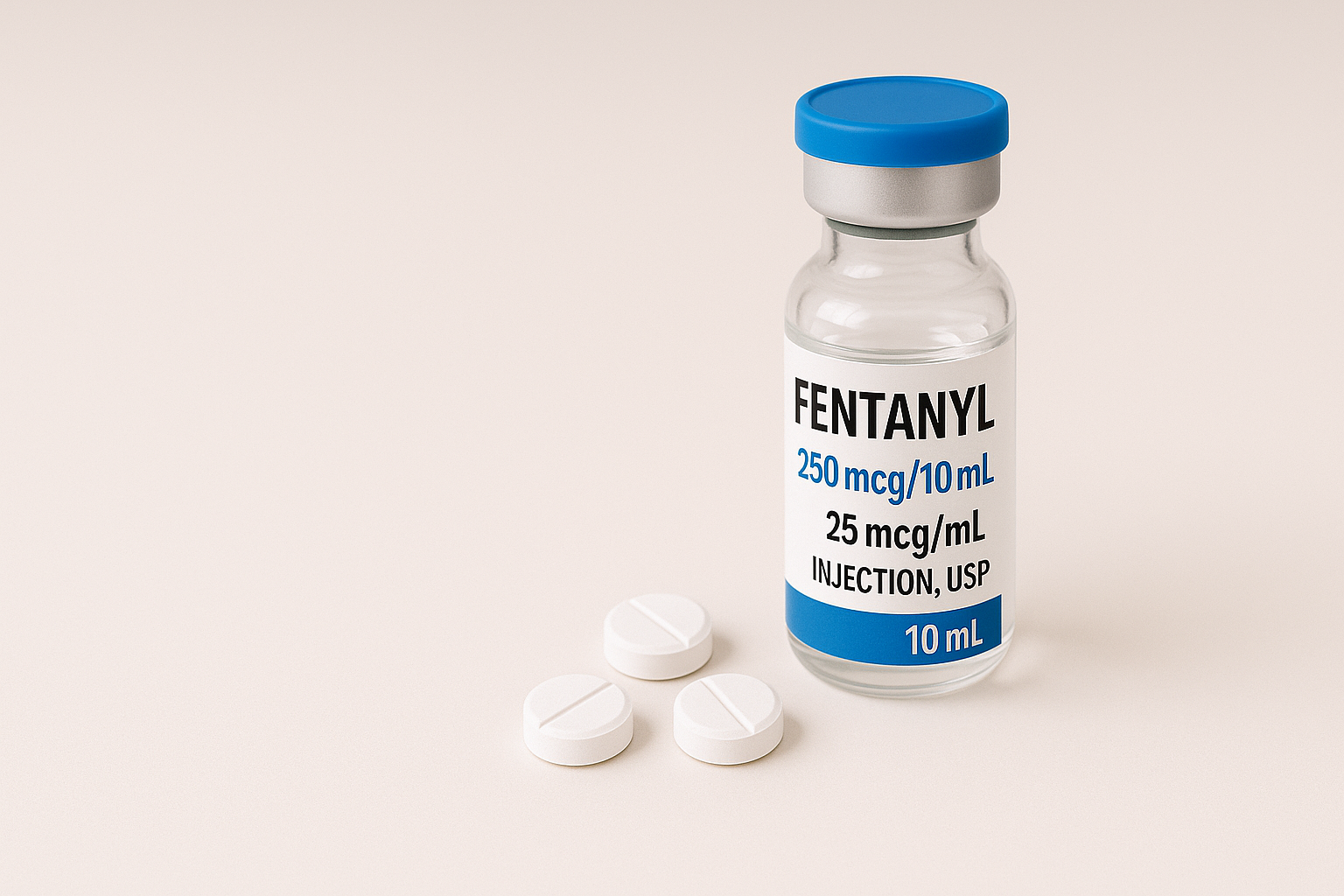
Fentanyl Addiction
Recovery from fentanyl addiction often requires ongoing clinical support after detoxification. Our IOP helps clients strengthen coping skills, manage cravings, address underlying causes of addiction, and reduce relapse risk through structured therapy and accountability.
Learn MoreHeroin Addiction
Heroin addiction affects both physical and emotional health. Our program combines behavioral therapies, relapse prevention, family involvement, and individualized treatment planning to support long-term recovery.
Learn More
Benzodiazepine Addiction
After medically supervised withdrawal when appropriate, our IOP provides continued therapy that helps individuals recovering from benzodiazepine dependence build healthier coping strategies and maintain stability.
Learn More
Meth Addiction
Methamphetamine addiction can have lasting emotional and cognitive effects. Our clinical team helps clients rebuild healthy routines, manage cravings, address co-occurring mental health concerns, and develop relapse-prevention skills.
Learn More
Cocaine Addiction
Recovery from cocaine addiction involves more than stopping substance use. Our IOP emphasizes behavioral therapies, emotional regulation, stress management, and ongoing recovery planning to support lasting change.
Learn More
Opioid Addiction
Opioid addiction often benefits from a comprehensive treatment approach that includes counseling, relapse prevention, peer support, and medication-assisted treatment when clinically appropriate. Our program focuses on sustainable, long-term recovery.
Learn More
Prescription Drug Addiction
Dependence on prescription medications can develop gradually and affect every aspect of life. Our Intensive Outpatient Program helps clients understand the underlying causes of addiction while building healthier coping skills and recovery habits.
Learn MoreAlcohol Addiction
Alcohol addiction treatment in our IOP combines individual counseling, group therapy, relapse prevention planning, family support, and ongoing clinical guidance to help individuals maintain sobriety while living at home.
Learn MoreIOP vs. Other Treatment Levels
Each level of care is designed for different stages of recovery and different clinical needs.
IOP vs. Outpatient Program (OP)
Both IOP and OP allow clients to live at home, but IOP provides more treatment hours and greater structure. Standard outpatient care may involve one or two sessions per week, while IOP generally requires several sessions each week for multiple hours at a time.
View Outpatient CareIOP vs. Partial Hospitalization Program (PHP)
PHP is more intensive than IOP and often involves full-day treatment five days per week. IOP usually requires three to four hours of treatment per day, three to five days per week. PHP may be better suited for people with more severe symptoms or unstable home environments.
View PHPIOP vs. Inpatient Rehab
In inpatient or residential rehab, clients live on-site and receive 24-hour care. IOP allows clients to live at home while attending scheduled therapy. It is best suited for individuals who do not require round-the-clock supervision but still need structured support.
IOP vs. Detox
Detox is a medically supervised process that manages withdrawal during early sobriety. It is not a substitute for therapy. After detox, many clients transition into IOP to address the psychological, emotional, and behavioral aspects of recovery.
View DetoxHow IOP Compares With Other Levels of Care
The right level of care depends on medical stability, psychiatric symptoms, relapse risk, living environment, and the amount of structure needed to maintain progress.
Standard Outpatient
Structure: Lower
Living arrangement: Home or supportive housing
Typical fit: Clients who are stable and need ongoing therapy with greater independence.
Intensive Outpatient Program
Structure: Moderate
Living arrangement: Home or supportive housing
Typical fit: Clients who need multiple structured treatment sessions each week without residential care.
Partial Hospitalization
Structure: High daytime
Living arrangement: Home or supportive housing
Typical fit: Clients who need greater daily clinical support but not overnight residential care.
Residential Rehab
Structure: 24-hour
Living arrangement: Treatment facility
Typical fit: Clients who need a controlled recovery environment and continuous structure.
Benefits of an IOP in Tennessee
Flexibility for Daily Life
Clients can receive structured care without completely stepping away from work, school, or family life. Sessions may be available during the day or evening.

Cost-Effective Care
Compared with inpatient rehab, IOP is often more affordable because clients do not require room, board, or 24-hour residential staffing.
Community Connection
Participants remain connected to their communities while building healthy routines, relationships, and support systems that strengthen recovery.

Accessibility Through Virtual IOP
Virtual IOP can make treatment more accessible for people facing transportation challenges, health concerns, geographic barriers, or scheduling limitations.

Gradual Transition
IOP can provide a gradual step down from residential treatment or PHP, reducing the abrupt transition from highly structured care to minimal support.
What to Expect During IOP
When you join Tulip Hill Healthcare’s Intensive Outpatient Program, you can expect a supportive, goal-oriented environment. Treatment begins with a comprehensive intake assessment that reviews medical history, substance use, mental health concerns, living environment, support system, and personal goals.
Based on this assessment, the clinical team develops an individualized treatment plan that outlines recommended therapies, goals, and scheduling. Treatment plans are flexible and are reviewed regularly based on progress and feedback.
Clients may attend IOP in Nashville or participate virtually three to five days per week, with sessions lasting approximately three hours each day. Programming may include cognitive behavioral therapy, dialectical behavior therapy, trauma-informed care, relapse prevention, life-skills development, and holistic services.
As clients meet their treatment goals, the clinical team helps plan the next level of support. This may include standard outpatient treatment, medication management, alumni programming, community recovery groups, or other aftercare services.
Why Choose Tulip Hill Healthcare?

Holistic Care
Tulip Hill Healthcare addresses the physical, emotional, behavioral, and relational aspects of addiction and co-occurring mental health conditions.

Expert Staff
Our multidisciplinary teams include experienced medical professionals, therapists, counselors, and addiction specialists who provide compassionate, evidence-based care.
Customized Treatment Programs
Each recovery journey is different. Treatment plans are tailored to clinical needs and may include detox coordination, residential care, PHP, IOP, outpatient treatment, and aftercare.
Compassionate Support
Our teams understand that recovery is rarely a straight line. We provide encouragement, accountability, and practical support throughout treatment.
Convenient Locations
Tulip Hill Healthcare operates treatment facilities in Tennessee and Kentucky, helping individuals throughout the Southeast access the level of care they need.

Focus on Long-Term Recovery
Aftercare, relapse-prevention planning, alumni programming, and community support help clients continue building stability after completing primary treatment.
Flexible Outpatient Addiction Treatment
Tulip Hill Healthcare provides Intensive Outpatient Programs across Tennessee and Kentucky for individuals seeking structured addiction treatment while maintaining work, school, or family commitments. IOP offers comprehensive therapy without requiring residential care.
Our Tennessee and Kentucky IOP programs typically include multiple therapy sessions per week, combining individual counseling, group therapy, relapse-prevention planning, and behavioral skill development. Psychiatric services and medication management are available when clinically appropriate.
IOP is commonly recommended as a step down from residential rehab or PHP, or for individuals with moderate substance use disorders who do not require 24-hour supervision. Structured accountability and continued therapeutic engagement can help reduce relapse risk.
Each treatment plan is individualized to support long-term recovery and address co-occurring mental health conditions. As a licensed addiction treatment provider, Tulip Hill Healthcare delivers consistent, evidence-based outpatient care throughout Tennessee and Kentucky.
Admissions support and confidential insurance verification are available immediately.
Patient Reviews













My experience here was life changing. The staff here was great. Shout out to my therapist Delanee. Shoutout to Jacob my case worker. Shout out to the big dog Ramsey and ms Shawna. All of the techs that were there for my stay. Justin, Chad, Marcus, Asia! And the nursing staff! Love you ms Johnie, Roxanne, Megan! Thankyou all so much for the love and support & offering the tools to make me successful in this journey of Recovery. Much Love,
Collin K.


Sweet and caring, I hate to leave.







Would highly recommend serenity to anyone!





I woke up many mornings feeling safe, rested, and genuinely hopeful about my future—something I didn’t think was possible before coming here.
At the same time, I was encouraged to do the hard work. The staff challenged me—in the best way—to start building healthy habits and practicing behaviors that support long-term sobriety. They consistently met me where I was, while also giving me the respectful space I needed to approach difficult topics at my own pace.
This balance made all the difference.
Five stars. I leave here feeling capable, confident, and equipped for my sober future.
Thank you, truly—thank you.



What made the difference for me was how much they focused on the why behind my addiction. They helped me work through my anxiety and depression in a way no other program had before. The groups were supportive, the staff was compassionate, and I never once felt judged.
Today, I’m living a life I never thought possible, and I owe so much of that to Tulip Hill. If you’re scared or unsure about treatment, just know this place can change your life the way it changed mine.




What sets Tulip Hill apart is their holistic approach, addressing not only the physical aspects of addiction but also the emotional, mental, and relational components. The programs are thoughtfully designed, evidence-based, and tailored to meet each person’s unique needs. The facility itself is welcoming and provides a peaceful setting that supports healing and growth.
For anyone seeking quality alcohol and drug rehabilitation services in Middle Tennessee, I highly recommend Tulip Hill Healthcare. Their professionalism, compassion, and dedication make a difficult process feel supported and hopeful.


I’ve observed how their groups blend evidence-based practices with real-world application. Clients are not only educated about addiction and mental health but are also equipped with tools that can be used beyond treatment. Their staff works hard to create an environment where accountability and hope coexist—something that is essential for sustainable recovery.
Tulip Hill is also strong in continuity of care. They prioritize aftercare planning and ensure clients leave with structured support and resources, which is often the difference between short-term sobriety and long-term recovery.
In my experience, Tulip Hill Healthcare is a trusted partner in this work. I have no hesitation recommending them to clients and families seeking a program that is both clinically sound and deeply human in its approach.


The treatment programs are comprehensive and evidence-based, offering a perfect blend of one-on-one therapy, group counseling, and holistic services like mindfulness. What stood out most was how individualized the care was. The environment is clean, peaceful, and designed to help clients feel safe and supported.
If you or someone you love is struggling with addiction, I wholeheartedly recommend Tulip Hill Healthcre. They don’t just help you get sober — they help you rebuild your life.

The level of individualized attention and support is unmatched. They take the time to really understand each person’s needs and tailor care accordingly, whether it’s for mental health, addiction recovery, or dual diagnosis treatment. The environment is clean, peaceful, and thoughtfully designed to promote healing and personal growth.
What really sets Tulip Hill apart is their dedication to holistic wellness — they don’t just treat symptoms, they help people rebuild their lives. The therapists and counselors are incredibly skilled, compassionate, and invested in their patients' success. You can tell they care deeply.
If you’re looking for a place that treats you with dignity, encourages transformation, and supports your healing journey every step of the way, I can’t recommend Tulip Hill Healthcare enough. They truly change lives.


Frequently Asked Questions About Intensive Outpatient Programs
These answers explain how IOP works, who it may be appropriate for, what treatment includes, how it compares with other levels of care, and what clients can expect before and after the program.
What is an Intensive Outpatient Program (IOP)?
An Intensive Outpatient Program is a structured outpatient level of care that provides multiple hours of addiction and behavioral health treatment each week while allowing clients to live at home or in supportive housing. IOP offers more structure than standard weekly outpatient therapy but less daily clinical intensity than a Partial Hospitalization Program.
Who is a good candidate for IOP?
IOP may be appropriate for people who are medically stable, do not require 24-hour residential supervision, and can safely manage time outside treatment. It may also be used as a step-down level of care after residential treatment or PHP. A clinical assessment helps determine whether IOP provides enough structure for an individual’s current needs.
Who may need a higher level of care than IOP?
Someone with significant withdrawal risk, acute medical concerns, serious psychiatric instability, a high risk of harm, repeated relapse despite outpatient care, or an unsafe living environment may need detox, residential treatment, or PHP before IOP. Level-of-care recommendations should be based on an individualized clinical assessment.
How many hours per week is IOP?
The source page describes Tulip Hill Healthcare’s IOP as typically involving about 9 to 15 hours of treatment per week, distributed across several days. Exact schedules can vary by facility, clinical need, progress, and insurance authorization.
How many days per week do clients attend IOP?
The source page states that clients may attend IOP three to five days per week, with sessions lasting approximately three hours each day. The exact schedule depends on the individual treatment plan and the program in which the client is enrolled.
How long does an IOP last?
There is no single length of treatment that fits every client. IOP duration depends on clinical needs, treatment progress, attendance, relapse risk, mental health symptoms, insurance authorization, and discharge planning. Many clients participate for several weeks before transitioning to a lower level of care.
What happens during IOP treatment?
IOP may include individual therapy, group counseling, relapse-prevention planning, behavioral therapies, family support, life-skills development, psychiatric services, medication management when clinically appropriate, and recovery education. Treatment plans are individualized and reviewed as clients progress.
What types of therapy are used in IOP?
Treatment may include individual therapy, group therapy, family therapy, cognitive behavioral approaches, dialectical behavior skills, trauma-informed care, relapse prevention, mindfulness, stress-reduction techniques, life-skills training, and other evidence-based or supportive services based on clinical need.
Can I work or go to school while in IOP?
Often, yes. One of the primary benefits of IOP is that clients can receive structured treatment while continuing many work, school, and family responsibilities. Whether a particular schedule is manageable depends on the program’s meeting times and the client’s individual obligations.
Can IOP treat addiction and mental health conditions together?
Yes. IOP can address substance use disorders alongside co-occurring mental health concerns. Treatment may incorporate psychiatric evaluation, medication management when appropriate, therapy, emotional-regulation skills, trauma-informed care, and individualized treatment planning.
Is medication management available during IOP?
Medication management and psychiatric services may be available when clinically appropriate. The treatment team can evaluate symptoms, review medications, monitor response, and coordinate behavioral health care based on the client’s individual needs.
Can family members participate in IOP treatment?
Family therapy or family support may be included when clinically appropriate and with the client’s consent. Family involvement can help improve communication, rebuild trust, establish healthier boundaries, and help loved ones better understand recovery.
What is the difference between IOP and PHP?
PHP is generally more intensive than IOP and involves more treatment hours and greater daytime structure. IOP provides structured therapy several days per week while giving clients more time for work, school, family responsibilities, and independent recovery activities. Clients may step down from PHP to IOP as stability improves.
What is the difference between IOP and standard outpatient treatment?
Both allow clients to live outside the treatment facility, but IOP provides more frequent sessions and greater structure. Standard outpatient treatment may involve one or two appointments per week, while IOP typically involves multiple treatment sessions across several days.
What is the difference between IOP and residential rehab?
Residential rehab requires clients to live at the treatment facility and provides 24-hour structure and support. IOP allows clients to live at home or in supportive housing and attend scheduled treatment sessions. Residential care may be more appropriate when someone needs a controlled environment or round-the-clock support.
Can someone enter IOP after detox, residential treatment, or PHP?
Yes. IOP is commonly used as a step-down level of care after detox, residential treatment, or PHP when a client no longer requires the same degree of structure but still benefits from frequent therapy, accountability, and relapse-prevention support.
Is virtual IOP available?
The source page states that Tulip Hill Healthcare offers a Virtual Intensive Outpatient Program in Tennessee. Virtual IOP may improve access for people facing transportation, geographic, health, or scheduling barriers. Admissions can explain current availability and whether virtual treatment is clinically appropriate.
Is IOP effective for addiction recovery?
IOP can be an effective level of care for people who are clinically appropriate for outpatient treatment and have enough stability outside program hours. It combines therapy, peer support, accountability, coping-skills development, and relapse-prevention planning while clients practice recovery skills in everyday life.
Is IOP covered by insurance?
Many commercial insurance plans may provide benefits for IOP when treatment is medically necessary. Coverage varies by policy and may depend on network status, deductibles, coinsurance, authorization requirements, clinical criteria, and benefit limits. Admissions can verify benefits before treatment.
What happens after I finish IOP?
After IOP, clients may transition to standard outpatient therapy, psychiatric care, medication management, alumni programming, community recovery groups, or other continuing-care services. Discharge planning is intended to maintain recovery support while gradually increasing independence.
How do I start IOP at Tulip Hill Healthcare?
The admissions process begins with a confidential conversation about current concerns, substance use, mental health needs, treatment history, living environment, scheduling needs, and insurance information. A clinical assessment helps determine whether IOP is appropriate or whether another level of care would better match the client’s needs.
Start Intensive Outpatient Treatment Today
Our admissions team is available 24/7 to answer questions, verify insurance benefits, and help determine whether IOP is the right level of care.
Medical and Clinical Review

Dr. Vahid Osman, M.D.
Board-Certified Psychiatrist and Addictionologist

Josh Sprung, L.C.S.W.
Board-Certified Clinical Social Worker