Fentanyl Rehab and Addiction Treatment in Tennessee & Kentucky
Fentanyl addiction requires treatment that addresses overdose risk, withdrawal, cravings, relapse risk, mental health, and the behavioral patterns that sustain opioid use. Because fentanyl is highly potent and increasingly present in the illicit drug supply, people using fentanyl may face a higher risk of overdose and may benefit from a structured continuum of care.
Tulip Hill Healthcare helps individuals and families access fentanyl rehab in Tennessee and Kentucky through medical detox, residential treatment, partial hospitalization, intensive outpatient care, outpatient treatment, medication-assisted treatment, dual diagnosis services, therapy, and long-term recovery support.
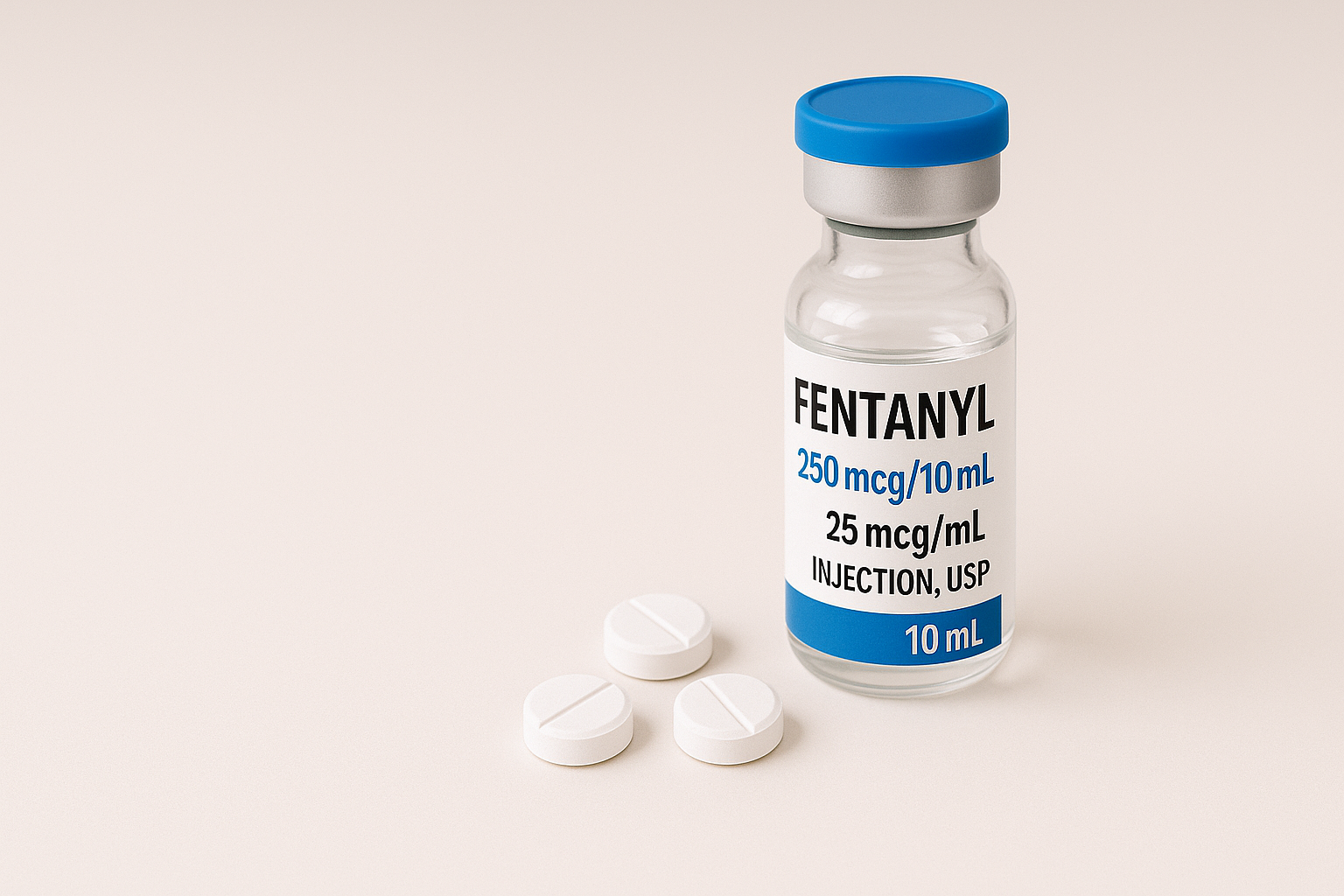
Fentanyl Addiction in Tennessee and Kentucky
Both Tennessee and Kentucky have experienced the effects of fentanyl-related overdoses and deaths. Public health reporting has shown that illicit opioids such as fentanyl are involved in a substantial share of fatal overdoses, underscoring the need for timely access to evidence-based treatment.
- Tennessee: Illicit opioids such as fentanyl were involved in more than 70% of drug overdose deaths reported in the referenced state data.
- Kentucky: State reporting has also documented the serious role fentanyl plays in overdose trends and the continuing need for accessible opioid addiction treatment.
These trends highlight why effective fentanyl treatment must address immediate medical needs, the psychological effects of addiction, relapse risk, and long-term recovery support.
From Fentanyl Detox to Rehab
For people with physical dependence on fentanyl or other opioids, treatment may begin with medically supervised detox to manage withdrawal and stabilize immediate health concerns. Detox is only the first stage of recovery. Continued fentanyl rehab helps address cravings, triggers, mental health, relationships, relapse risk, and the skills needed for long-term recovery.
Fentanyl Rehab Programs
After stabilization, continued treatment helps address the behavioral, emotional, and environmental factors connected to fentanyl use. Tulip Hill Healthcare offers several levels of care so treatment can be matched to each person’s needs.

Residential Rehab for Fentanyl Addiction
Residential treatment provides 24/7 support in a structured setting. Clients can focus fully on recovery while participating in therapy, education, relapse-prevention planning, medication management when appropriate, and other supportive services.
Explore Residential Treatment
Partial Hospitalization Program
PHP combines intensive daytime treatment with the ability to return to a stable home or recovery environment in the evening. It may serve as a step down from residential care or a structured alternative when overnight treatment is not required.
Learn About PHP
Intensive Outpatient Program
IOP provides scheduled therapy and recovery support while allowing clients to maintain appropriate work, school, or family responsibilities. Treatment commonly includes individual counseling, group therapy, education, and relapse-prevention planning.
Learn About IOP
Outpatient Rehab for Fentanyl Addiction
Outpatient treatment offers ongoing clinical support with fewer weekly treatment hours. It is often appropriate for people who have completed a higher level of care and are prepared to practice recovery skills with greater independence.
Explore Outpatient Treatment
Aftercare and Alumni Support
Aftercare and alumni services help people remain connected after formal treatment. Continued support, accountability, recovery activities, and relapse-prevention resources can strengthen long-term recovery.
Explore Aftercare and Alumni SupportKnowing When to Seek Treatment
Fentanyl addiction symptoms vary, but certain patterns may indicate that professional treatment is needed. These signs can affect physical health, relationships, work, finances, judgment, and daily responsibilities.
Possible Signs of Fentanyl Use Disorder
- Taking fentanyl in larger amounts or for longer than intended
- Repeated unsuccessful attempts to reduce or stop use
- Spending significant time obtaining, using, or recovering from fentanyl
- Strong cravings or urges to use
- Continuing use despite relationship, health, work, or legal consequences
- Giving up important activities or responsibilities
- Using fentanyl in dangerous situations
- Continuing use despite a physical or psychological problem worsened by the drug
- Needing higher doses to achieve the same effect
- Experiencing withdrawal when use is reduced or stopped
Fentanyl use can lead to overdose and death, particularly when fentanyl is combined with alcohol, other opioids, sedatives, or additional substances. Early intervention can reduce risk and connect a person with appropriate care.
What to Expect During Fentanyl Addiction Treatment
Treatment generally begins with an assessment of substance use, withdrawal risk, physical health, mental health, medications, home environment, and recovery needs. This information helps the clinical team recommend the safest and most appropriate level of care.
Following stabilization, treatment may include individual therapy, group counseling, family involvement, medication-assisted treatment, dual diagnosis care, relapse-prevention planning, and support for practical recovery needs. The plan can be adjusted as a person progresses through treatment.
Fentanyl Addiction Treatment Therapies
Evidence-based therapies help clients understand patterns connected to fentanyl use, develop healthier coping strategies, improve emotional regulation, and build skills for sustained recovery.

Cognitive Behavioral Therapy
CBT helps clients identify and change thoughts, behaviors, and situations that contribute to substance use.
Learn About CBT
Dialectical Behavior Therapy
DBT teaches practical skills for managing stress, regulating emotions, tolerating distress, and improving relationships.
Explore Addiction Therapies
Trauma-Focused Therapy
Trauma-informed approaches, including EMDR when appropriate, may help clients process experiences that contribute to addictive behaviors.
Explore Trauma-Informed Care
Medication-Assisted Treatment
MAT combines approved medications with counseling and behavioral treatment to reduce withdrawal symptoms, cravings, and relapse risk.
Learn About MATFentanyl Addiction Treatment Support Services
Recovery support extends beyond therapy. Additional services can help address health concerns, co-occurring conditions, daily responsibilities, and the transition back into the community.

Medical Care
Medical support helps address withdrawal, medication needs, co-occurring health concerns, and safe stabilization.
Explore Fentanyl Detox
Dual Diagnosis Treatment
Integrated treatment addresses fentanyl addiction alongside depression, anxiety, trauma, or other co-occurring mental health conditions.
Explore Dual Diagnosis Treatment
Life Skills Training
Life skills support can strengthen stress management, healthy decision-making, communication, routines, and independent recovery.
Explore Treatment Programs
Alumni Support Groups
Alumni programming provides continued connection, encouragement, accountability, and opportunities to participate in the recovery community.
Visit the Alumni ProgramWhy Choose Tulip Hill Healthcare
Tulip Hill Healthcare provides coordinated fentanyl treatment across Tennessee and Kentucky with individualized care, experienced clinical teams, and multiple levels of recovery support.

Individualized Treatment Plans
Each recovery plan is developed around the person’s substance use history, health, mental health, strengths, needs, and long-term goals.
Explore Treatment Programs
Experienced Medical and Clinical Staff
Physicians, nurses, licensed therapists, counselors, and other professionals provide compassionate, evidence-based care throughout treatment.
Meet Tulip Hill Healthcare
Comprehensive Services
Our network offers a continuum that may include detox, residential care, PHP, IOP, outpatient treatment, MAT, dual diagnosis care, and aftercare.
View All Programs
Welcoming Treatment Environments
Facilities across Tennessee and Kentucky are designed to provide safe, structured, and comfortable settings that support healing.
Explore Our Network
Community-Based Approach
Connections with recovery resources, peer support, and community services can help clients continue building stability after treatment.
Explore Recovery Support
Whole-Person Treatment
Treatment can support physical, emotional, mental, relational, and spiritual wellness through evidence-based and complementary approaches.
Explore Holistic TreatmentFrequently Asked Questions About Fentanyl Rehab
What is fentanyl?
Fentanyl is a highly potent synthetic opioid used medically for severe pain and also found in the illicit drug supply. Illicit fentanyl may be mixed into heroin, cocaine, counterfeit pills, or other substances without the person knowing it is present.
Why is fentanyl so dangerous?
Fentanyl is extremely potent and can suppress breathing quickly. Overdose risk increases when fentanyl is mixed with alcohol, benzodiazepines, other opioids, or additional substances, or when a person does not know fentanyl is present.
What are the signs of fentanyl addiction?
Possible signs include cravings, loss of control over use, withdrawal symptoms, increasing tolerance, repeated unsuccessful attempts to stop, neglect of responsibilities, risky use, and continued use despite physical, emotional, legal, financial, or relationship consequences.
Do I need fentanyl detox before rehab?
Some people with physical dependence benefit from medically supervised detox before entering rehab. Detox can help manage withdrawal and stabilize immediate health concerns. A clinical assessment can help determine the safest starting point. Learn more about fentanyl detox.
What is the difference between fentanyl detox and fentanyl rehab?
Detox focuses on managing withdrawal and stabilizing the body after fentanyl use is reduced or stopped. Fentanyl rehab addresses the behavioral, emotional, psychological, and social factors connected to addiction through therapy, structured programming, recovery education, relapse prevention, and continuing care.
What treatment options are available for fentanyl addiction?
Treatment may include medical detox, residential rehab, partial hospitalization, intensive outpatient care, outpatient treatment, medication-assisted treatment, dual diagnosis services, individual and group therapy, family therapy, relapse-prevention planning, and aftercare.
Is medication-assisted treatment used for fentanyl addiction?
Yes, medication-assisted treatment may be used when clinically appropriate for opioid use disorder. MAT combines approved medications with counseling, behavioral therapy, and recovery support to reduce withdrawal symptoms, cravings, and relapse risk. Learn more about medication-assisted treatment.
How long does fentanyl rehab take?
There is no single treatment length that is right for everyone. Duration depends on substance use history, withdrawal risk, medical and mental health needs, progress in treatment, recovery environment, insurance benefits, and the level of care required. Many people benefit from a step-down continuum that moves from more structured treatment into outpatient and continuing care.
Does fentanyl rehab include mental health treatment?
When fentanyl use occurs alongside depression, anxiety, trauma, or other mental health concerns, integrated dual diagnosis care can address both conditions as part of one treatment plan. Learn more about dual diagnosis treatment.
What therapies are used in fentanyl rehab?
Treatment may include Cognitive Behavioral Therapy, DBT-informed skills, trauma-informed care, individual therapy, group counseling, family therapy, motivational approaches, relapse-prevention planning, and other evidence-based interventions. Explore our addiction therapy approaches.
Can someone fully recover from fentanyl addiction?
Yes. Recovery is possible with individualized treatment, ongoing support, relapse-prevention planning, medication when clinically appropriate, and continued engagement in care. Recovery is often strongest when treatment addresses both opioid use and the mental health, relationship, and practical challenges that can affect long-term stability.
Is fentanyl rehab covered by insurance?
Many commercial insurance plans include substance use disorder and behavioral health benefits. Coverage varies by carrier, plan, network status, medical necessity, prior authorization, deductible, and level of care. The admissions team can help review available benefits before treatment begins.
Can family members participate in fentanyl treatment?
Family involvement may be recommended when clinically appropriate. Family therapy and education can help loved ones understand opioid addiction, improve communication, establish healthier boundaries, identify relapse warning signs, and prepare for recovery after structured treatment. Learn more about family therapy.
What happens after fentanyl rehab?
Continuing care may include outpatient treatment, therapy, medication management, alumni support, peer recovery resources, family involvement, and relapse-prevention planning. The goal is to maintain support as a person transitions back into everyday responsibilities.
How do I start fentanyl rehab in Tennessee or Kentucky?
Contact the Tulip Hill Healthcare admissions team to discuss fentanyl use, withdrawal concerns, medical and mental health needs, previous treatment, insurance, and available programs. You can also explore treatment in Tennessee or treatment in Kentucky.
Supporting Families Through Recovery
Fentanyl addiction affects the entire family. Family education, counseling, communication support, and clear boundaries can help loved ones understand recovery and participate in healthier ways.
- Family therapy when clinically appropriate
- Education about addiction and recovery
- Communication and boundary-setting skills
- Relapse warning-sign education
- Planning for continued support after treatment
Medical and Clinical Review

Dr. Vahid Osman, M.D.
Board-Certified Psychiatrist and Addictionologist

Josh Sprung, L.C.S.W.
Board-Certified Clinical Social Worker
This page is intended for education and admissions guidance. It does not replace diagnosis, emergency care, or individualized medical advice.
Sources
Start Fentanyl Addiction Treatment Today
If you or someone you love is struggling with fentanyl addiction, Tulip Hill Healthcare can help you understand detox, residential rehab, outpatient treatment, dual diagnosis care, medication-assisted treatment, and continuing support options in Tennessee and Kentucky. Calls are confidential.