


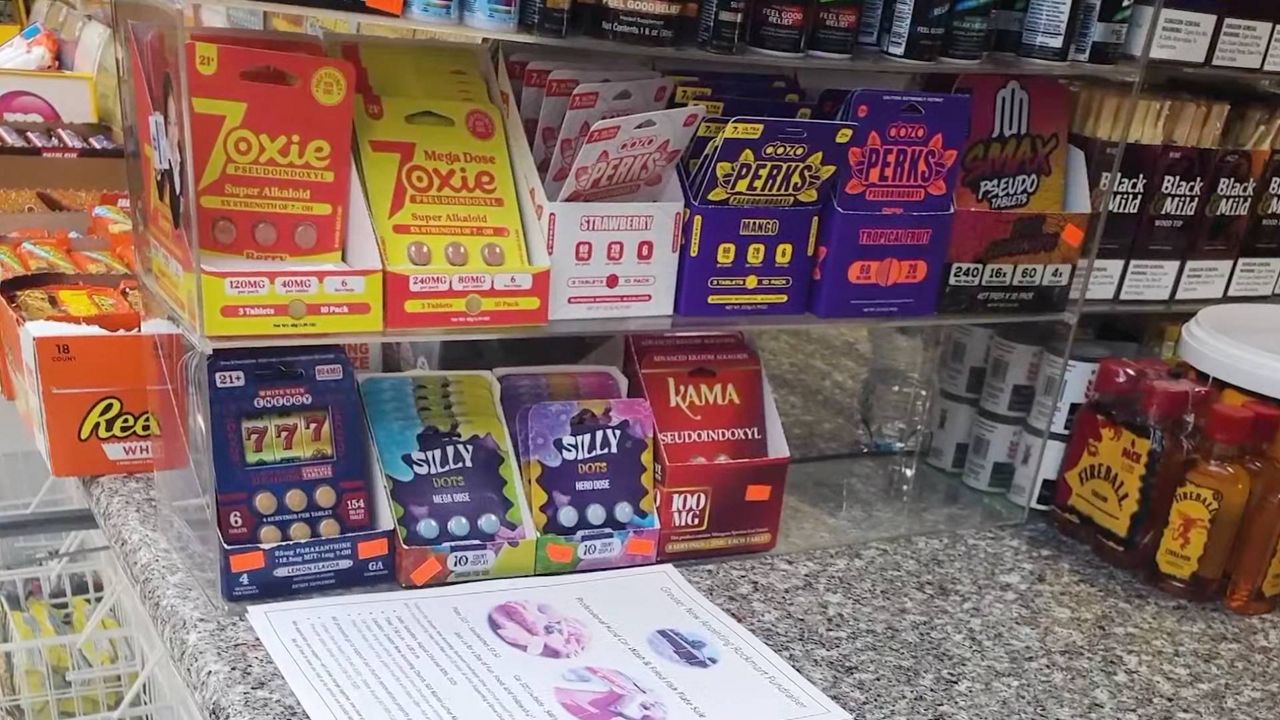
Pills, shots, gummies, extracts, and powders sold at gas stations, smoke shops, convenience stores, and online can look more like supplements than potentially addictive drugs.
That appearance can be misleading.
Products containing tianeptine, sometimes called “gas station heroin,” and concentrated 7-hydroxymitragynine (7-OH) have raised growing concerns about opioid-like effects, dependence, withdrawal, poisoning, and overdose.
The issue has become especially relevant in Tennessee.
As of July 1, 2026, Tennessee prohibits the possession, manufacture, and sale of kratom. Tianeptine has already been a Schedule II controlled substance in Tennessee since 2022.
At the same time, poison centers have reported a sharp increase in exposures involving kratom-derived products and concentrated 7-OH.
For people who have been regularly using these substances, the concern is not limited to whether a product remains available or legal. Physical dependence and withdrawal may continue after access to the product stops.
Understanding what these substances are, how they affect the body, and when withdrawal may require professional detoxification is increasingly important for Tennesseans and their families.
What Are Gas Station Drugs?
“Gas station drugs” is an informal term used for psychoactive substances that have been sold through gas stations, convenience stores, smoke shops, vape stores, and online retailers.
They may be packaged as pills, capsules, gummies, powders, extracts, or liquid shots and promoted using terms such as “energy,” “mood,” “focus,” “relaxation,” “botanical,” or “wellness.”
Two substances have attracted particular attention:
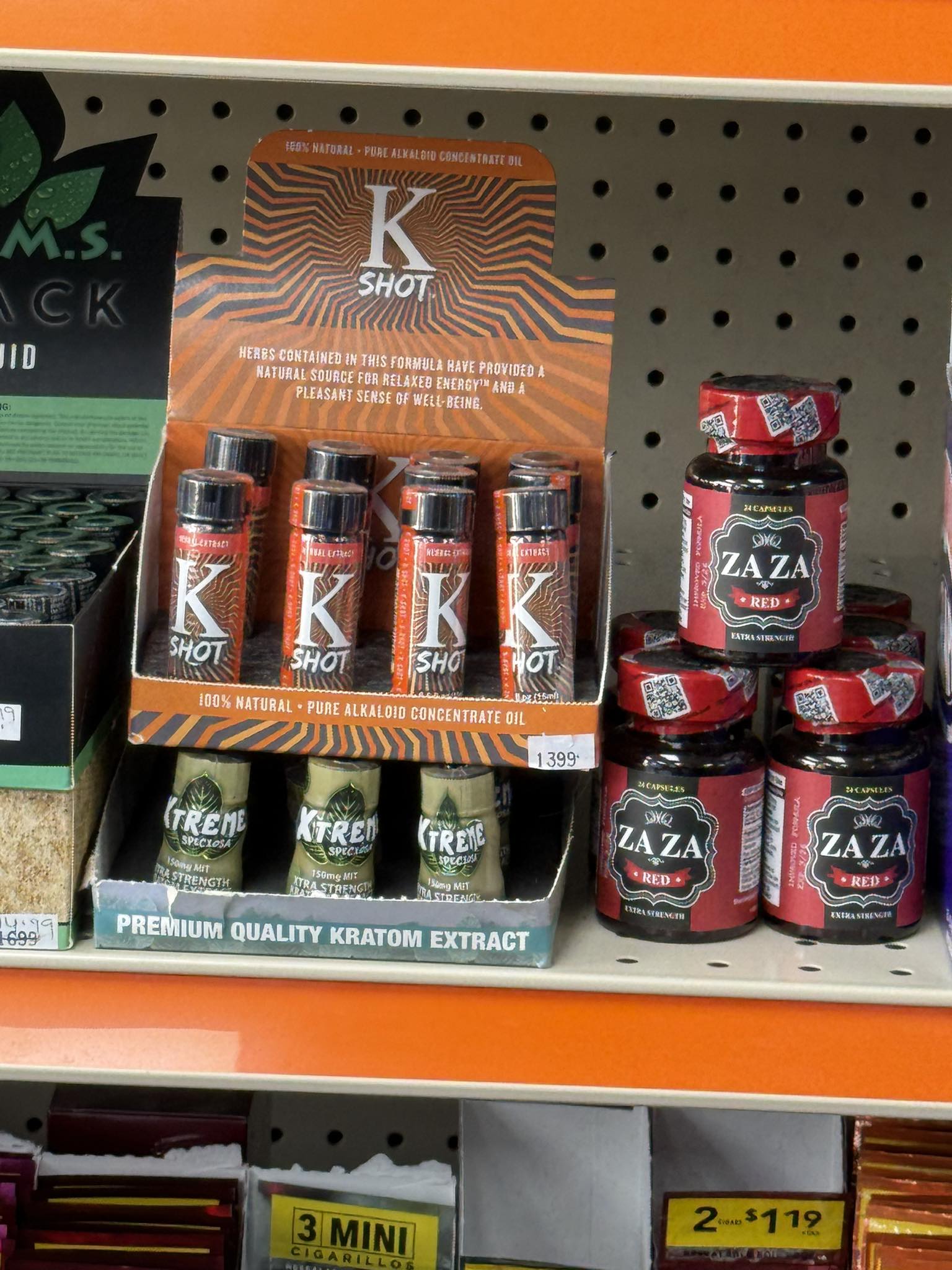
Tianeptine is an unapproved drug capable of producing opioid-like effects, particularly at high doses. It has become widely known as “gas station heroin.”
7-hydroxymitragynine, or 7-OH, is an opioid-active compound associated with kratom. Commercial products containing concentrated 7-OH may produce exposures very different from traditional kratom leaf.
A psychoactive product does not become safe simply because it was purchased over a retail counter.
Why Gas Station Drugs Are a Growing Concern in 2026
Reports involving kratom and concentrated kratom-derived products increased sharply during the first half of 2026.
America’s Poison Centers reported 3,190 kratom and kratom-derivative exposures between January 1 and June 30, 2026. That was approaching the 3,803 exposures reported during the entirety of 2025.
Poison Centers recorded 901 reported 7-OH exposures during the first six months of 2026, compared with 593 during all of 2025.
- 38.8% resulted in serious health problems
- 63.8% were treated at a healthcare facility
- 20.5% resulted in hospitalization
Reported effects included nausea and vomiting, agitation, confusion, sweating, rapid heart rate, elevated blood pressure, breathing problems, severe drowsiness, loss of consciousness, seizures, dependence, and withdrawal.
What Is Tianeptine?
Tianeptine is a drug used medically in certain countries, but it is not approved by the U.S. Food and Drug Administration for any medical use in the United States.
Despite that, tianeptine has been marketed in products claiming to improve mood or brain function or help with anxiety, depression, pain, and opioid-related problems.
- ZaZa
- Tianaa or Tianna
- Neptune’s Fix
- Pegasus
- TD Red
Why Is Tianeptine Called “Gas Station Heroin”?
The nickname reflects both the places where tianeptine products have been sold and the drug’s opioid activity. At sufficiently high doses, tianeptine affects opioid receptors and can produce opioid-like effects.
Repeated exposure may cause tolerance and physical dependence. Once dependence develops, someone may continue taking tianeptine because stopping causes withdrawal.
Is Tianeptine Legal in Tennessee?
No. Tianeptine has been classified as a Schedule II controlled substance in Tennessee since July 1, 2022.
What Is 7-OH?
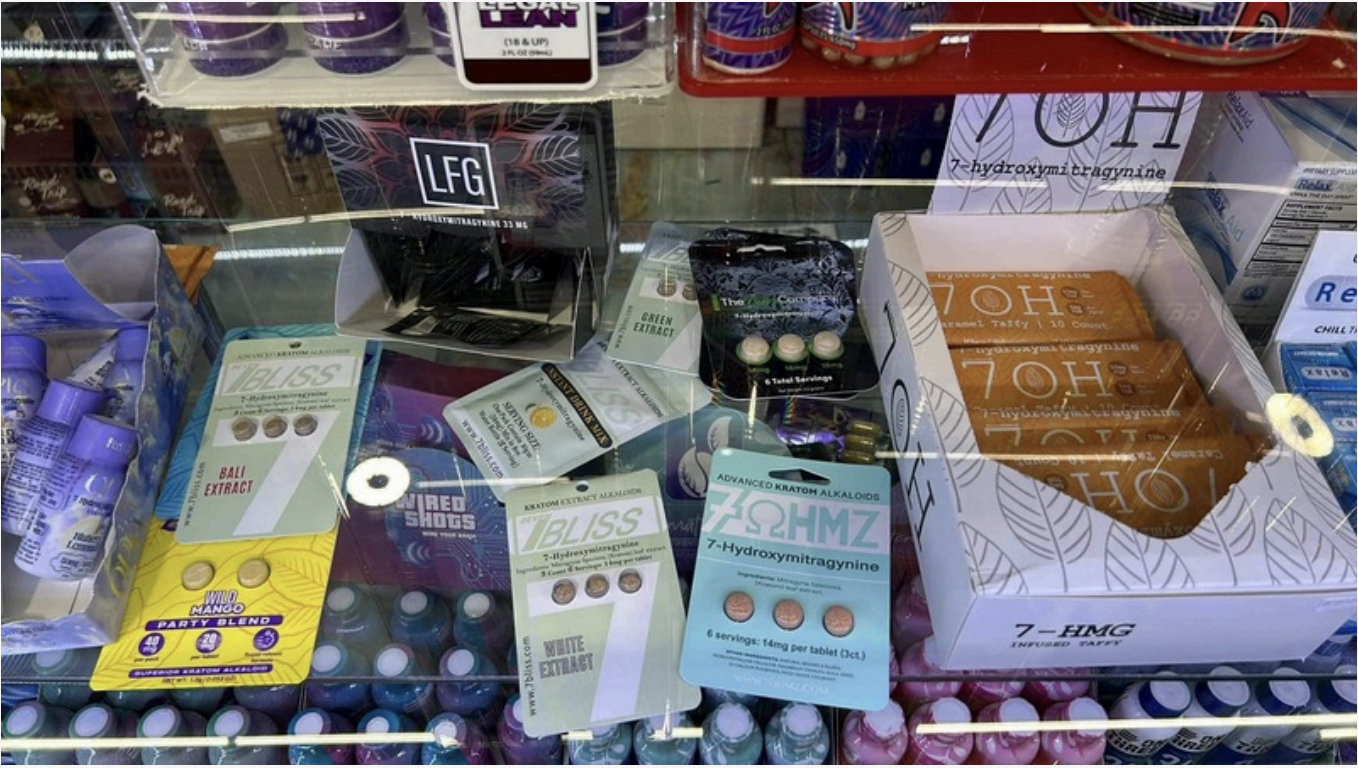
7-hydroxymitragynine, usually shortened to 7-OH, is an opioid-active compound associated with the kratom plant.
Kratom naturally contains multiple alkaloids, primarily mitragynine, along with much smaller amounts of 7-hydroxymitragynine. The growing concern involves products designed to deliver concentrated amounts of 7-OH.
Is 7-OH the Same as Kratom?
Not exactly. Traditional kratom comes from Mitragyna speciosa, while 7-OH is one opioid-active compound associated with the plant. Concentrated products can create substantially different exposures than traditional leaf material.
Tianeptine vs. 7-OH vs. Kratom
| Category | Tianeptine | 7-OH | Traditional Kratom |
|---|---|---|---|
| What is it? | Unapproved drug with opioid activity at high doses | Opioid-active kratom alkaloid | Botanical material from Mitragyna speciosa |
| FDA-approved medicine? | No | No | No |
| Can cause dependence? | Yes | Yes | Dependence has been reported |
| Withdrawal reported? | Yes | Yes | Yes |
| Tennessee legal status | Schedule II controlled substance | Covered by Tennessee kratom restrictions | Possession, manufacture, and sale banned as of July 1, 2026 |
| Major concerns | Dependence, withdrawal, seizures, overdose, interactions | Concentrated opioid activity, dependence, withdrawal, poisoning | Dependence, withdrawal and variable effects |
Is Kratom Legal in Tennessee in 2026?
No. As of July 1, 2026, possession, manufacture, and sale of kratom are prohibited in Tennessee.
Can Gas Station Drugs Cause Addiction or Dependence?
Yes. Repeated use of psychoactive substances can produce tolerance and physical dependence.
- Taking increasingly large amounts
- Using more frequently than intended
- Experiencing cravings
- Feeling sick when delaying a dose
- Using primarily to prevent withdrawal
- Trying unsuccessfully to stop
- Continuing despite health, work, financial, or relationship problems
What Does Tianeptine Withdrawal Feel Like?
- Strong cravings
- Anxiety
- Restlessness
- Agitation
- Sweating
- Nausea
- Vomiting
- Diarrhea
- Muscle aches
- Difficulty sleeping
- Mood changes
- Rapid heart rate
What Does 7-OH or Kratom Withdrawal Feel Like?
Repeated exposure to opioid-active kratom compounds can also produce physical dependence and withdrawal.
- Anxiety
- Restlessness
- Cravings
- Irritability
- Sleep disruption
- Sweating
- Muscle discomfort
- Gastrointestinal symptoms
- Mood changes
Why Detoxing From Gas Station Drugs Can Be Complicated
People do not always know exactly what they have been taking. Someone may arrive for treatment saying they have been using “gas station pills,” “ZaZa,” “kratom shots,” or “7-OH tablets.”
Clinicians need to consider the substances involved, approximate amount, frequency, duration of use, previous withdrawal experiences, medical history, mental health, and polysubstance use.
Can Narcan Reverse an Overdose From Gas Station Drugs?
Naloxone, commonly known by the brand name Narcan, reverses opioid effects. If an opioid overdose is suspected, administer naloxone if available and call 911.
When Withdrawal Requires Medical Attention
- Difficulty breathing
- Loss of consciousness
- Seizures
- Severe confusion
- Chest pain
- Extreme changes in heart rate
- Severe or persistent vomiting
- Significant dehydration
- Inability to remain awake
- Suspected overdose
Medical Detox for Tianeptine, 7-OH and Drug Dependence in Tennessee
When physical dependence develops, getting through withdrawal can become one of the first barriers to recovery.
Tulip Hill Healthcare connects individuals and families with addiction treatment options across multiple levels of care, including medically supervised detox when clinically appropriate.
Treatment begins with an assessment of what someone has been taking, how much they use, how frequently they use it, when they last used, previous withdrawal experiences, medical history, mental health needs, and other substances involved.
What Happens During Medical Detox?
The detox process begins with clinical and medical assessment. During detox, clients can be monitored as substances leave the body and withdrawal symptoms develop.
What Happens After Detox?
Detox addresses physical stabilization, but recovery from addiction usually requires more than getting through withdrawal. Continuing addiction treatment can help someone understand triggers, cravings, mental health symptoms, and environmental factors that contribute to substance use.
Frequently Asked Questions About Gas Station Drugs
What are gas station drugs?
“Gas station drugs” is an informal term for psychoactive substances and products sold through places such as convenience stores, gas stations, smoke shops, vape stores, and online retailers. Tianeptine and concentrated 7-OH products are two prominent examples.
What is gas station heroin?
“Gas station heroin” is a nickname commonly associated with tianeptine. The name reflects the drug’s opioid activity and its history of being sold through gas stations, convenience stores, vape shops, and similar retailers.
Is tianeptine FDA approved?
No. The FDA has not approved tianeptine for any medical use in the United States.
Is tianeptine legal in Tennessee?
No. Tianeptine has been classified as a Schedule II controlled substance in Tennessee since July 1, 2022.
Is kratom legal in Tennessee?
No. As of July 1, 2026, Tennessee prohibits the possession, manufacture, and sale of kratom, including natural whole-leaf manufactured products.
What is 7-OH?
7-OH is short for 7-hydroxymitragynine, an opioid-active compound associated with kratom. Concentrated commercial 7-OH products may contain substantially different levels than occur naturally in traditional kratom leaf.
Can someone detox from tianeptine or 7-OH?
People who have developed physical dependence may experience withdrawal when they stop. A professional assessment can determine whether medically supervised detoxification or another level of care is appropriate.
When should someone call 911?
Call 911 for a suspected overdose, trouble breathing, loss of consciousness, seizures, severe confusion, chest pain, inability to remain awake, or another serious medical emergency.
The Bottom Line on Gas Station Drugs
The most dangerous assumption surrounding gas station drugs may also be the simplest: if a store sells it, how dangerous could it really be?
Tianeptine has been associated with opioid-like effects, dependence, withdrawal, poisoning, seizures, loss of consciousness, hospitalization, and overdose. Concentrated 7-OH products have become a growing concern because of their opioid activity and rapidly increasing poison-center exposures.
A substance does not become harmless because it comes in a colorful bottle. It does not become medically approved because it is called a supplement. And it does not stop affecting the brain because it was purchased at a convenience store.
If use has become difficult to control, withdrawal occurs between doses, or someone is using these products to manage another substance problem or mental health concern, an individualized assessment can help identify a safer next step.
Get Help for Tianeptine, 7-OH or Drug Dependence in Tennessee
A substance does not become harmless because it came from a gas station, smoke shop, or supplement-style package.
Tulip Hill Healthcare can help individuals and families explore addiction treatment options and determine an appropriate next step based on clinical needs.
If someone is unconscious, having trouble breathing, experiencing seizures, or showing signs of an overdose, call 911 immediately.
Clinical Sources and References
U.S. Food and Drug Administration. Tianeptine.
U.S. Food and Drug Administration. FDA Warns Consumers Not to Purchase or Use Any Tianeptine Product Due to Serious Risks.
U.S. Food and Drug Administration. Hiding in Plain Sight: 7-OH Products. Updated July 13, 2026.
America’s Poison Centers. Health Advisory: Serious Illnesses Associated with Kratom and 7-OH Products. July 8, 2026.
Tennessee Department of Health. Emerging Trends Report: Tianeptine.
Tennessee Department of Mental Health and Substance Abuse Services. Emerging Substances: Kratom.








- Centers for Disease Control and Prevention. (2025, June 9). Fentanyl. CDC Overdose Prevention.
https://www.cdc.gov/overdose/prevention/fentanyl.html - Centers for Disease Control and Prevention. (n.d.). The facts about fentanyl (PDF).
https://www.cdc.gov/overdose/prevention/fentanyl/facts.html - Centers for Disease Control and Prevention. (n.d.). Fentanyl facts. CDC Stop Overdose.
https://www.cdc.gov/stopoverdose/fentanyl/index.html - National Institute on Drug Abuse. (2025, June). Fentanyl. National Institutes of Health.
https://nida.nih.gov/research-topics/fentanyl - Substance Abuse and Mental Health Services Administration. (2024, October 11). TIP 63: Medications for opioid use disorder. Evidence-Based Practices Resource Center.
https://store.samhsa.gov/product/TIP-63-Medications-for-Opioid-Use-Disorder/SMA21-5063 - U.S. Drug Enforcement Administration. (2024, November). DEA lab testing reveals that out of every 10 pills, 7 contain a potentially deadly dose of fentanyl (Fact sheet). U.S. Department of Justice.
https://www.dea.gov/resources/facts-about-fentanyl - U.S. Drug Enforcement Administration. (n.d.). Facts about fentanyl. U.S. Department of Justice.
https://www.dea.gov/resources/facts-about-fentanyl
Supporting Families Through Recovery

Take the First Step Toward Recovery at Tulip Hill Healthcare | Premier Drug Rehab in Tennessee and Kentucky
Your journey to a healthier, happier life starts with a single step. At Tulip Hill Healthcare in Nashville, we’re here to provide the support, care, and expertise you need to overcome addiction and rebuild your life. Reaching out for help can feel daunting, but it’s the most important decision you’ll make for yourself and your loved ones.
Don’t wait—contact us today to learn more about our programs and take control of your future. Call us today or fill out our quick and confidential contact form to get started. A brighter, substance-free tomorrow is just a call away.