The name creates an important source of confusion.
Genuine cat’s claw is a legal herbal product made from Uncaria vines native to Central and South America. It is not kratom.
The current Tennessee warning instead concerns products marketed as Cat’s Claw that authorities say may contain kratom-derived compounds despite what consumers might assume from the packaging.
For Tennessee families, retailers and people who use these products, what is actually inside the package may matter far more than the name printed on the front.
What Tennessee Officials Are Warning About
In a September 14 report, WSMV 4 Nashville detailed a Tennessee Bureau of Investigation warning about Cat’s Claw products.
According to WSMV’s reporting, the TBI said it was seeing an increase in products marketed as Cat’s Claw that actually contain MGM-15, which authorities described as a compound made from kratom.
The warning is particularly significant because Tennessee’s prohibition on kratom took effect July 1.
The TBI urged consumers and retailers not to assume that a product is safe or legal simply because of the name appearing on its packaging.
The issue has continued to develop.
On September 18, WSMV reported that Coffee County Sheriff Chad Partin warned retailers that they should not rely exclusively on product packaging to determine whether merchandise contains prohibited kratom-related compounds.
Days later, WSMV again highlighted the Cat’s Claw issue while examining Tennessee’s broader response to kratom and concentrated kratom products.
The central message for consumers is straightforward:
“Cat’s Claw” on a package does not necessarily tell you what chemical compounds are actually inside that particular product.
Genuine Cat’s Claw Is Not Kratom
It is important not to confuse the products involved in Tennessee’s warning with genuine cat’s claw herbal supplements.
According to the National Center for Complementary and Integrative Health, cat’s claw generally refers to Uncaria tomentosa and Uncaria guianensis, woody vines that grow in the Amazon rainforest and other tropical regions of Central and South America.
Cat’s claw has a history of traditional use and is currently marketed as an herbal supplement in the United States.
NCCIH notes that relatively few high-quality human clinical trials have studied cat’s claw and that there is no conclusive scientific evidence supporting its use for any health purpose.
That botanical product is different from kratom.
Kratom comes from Mitragyna speciosa, a tree native to Southeast Asia.
The current Tennessee concern therefore isn’t that the traditional cat’s claw plant has suddenly become kratom.
It is that some products marketed using the Cat’s Claw name may contain kratom-derived compounds that consumers would not necessarily expect based on the product’s branding.
What Is MGM-15?
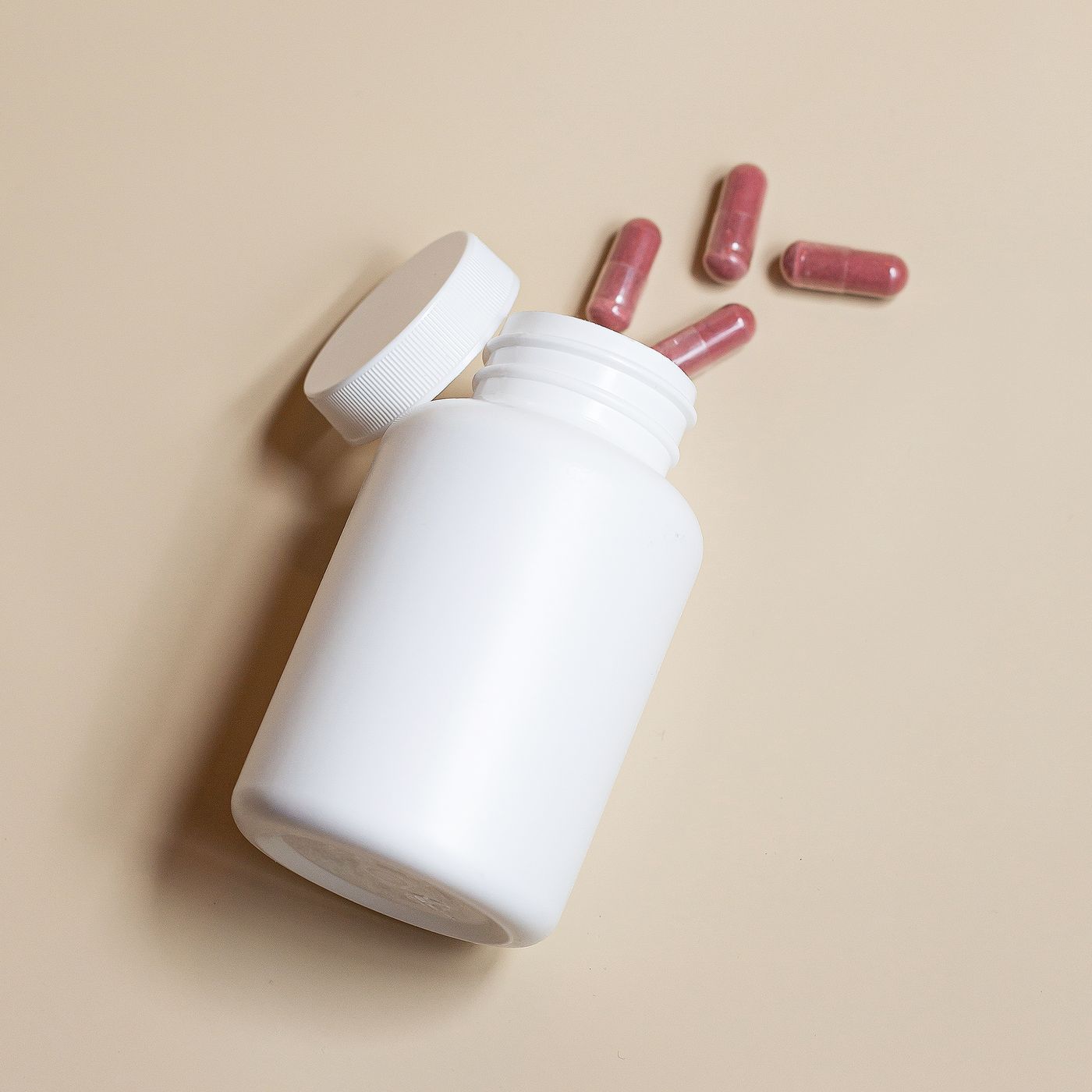
MGM-15 has become one of the most important terms in Tennessee’s current Cat’s Claw warning.
The Tennessee Bureau of Investigation has described MGM-15 as a compound made from kratom.
That puts MGM-15 within a much broader conversation surrounding newer and concentrated kratom-derived substances.
Traditional kratom contains multiple naturally occurring alkaloids. The best known include mitragynine and 7-hydroxymitragynine, commonly shortened to 7-OH.
Products containing concentrated or modified kratom-derived compounds can be substantially different from traditional kratom leaf.
That distinction matters because consumers may see words such as “herbal,” “extract,” “natural” or even “Cat’s Claw” and assume they are buying a conventional botanical supplement.
The package name alone may not provide enough information to make that determination.
MGM-15 vs. 7-OH vs. Traditional Kratom
The terminology surrounding these products can become confusing quickly.
Traditional kratom refers to products derived from the leaves of Mitragyna speciosa. The plant naturally contains mitragynine along with smaller amounts of other alkaloids.
7-OH, or 7-hydroxymitragynine, is a kratom-related alkaloid that has become increasingly prominent in concentrated products.
MGM-15 is another kratom-derived compound now attracting attention from Tennessee authorities because of products allegedly being marketed under the Cat’s Claw name.
These terms should not automatically be treated as interchangeable.
The chemical composition, concentration and effects of products can differ considerably.
That is precisely why accurate labeling is so important.
When someone does not know which compound or concentration a product contains, predicting its effects, withdrawal potential or interactions with other substances becomes more difficult.
Tennessee Treatment Centers Report More Kratom Withdrawal
The Cat’s Claw warning is unfolding alongside another important Tennessee development.
NewsChannel 5 Nashville reported in September that doctors and treatment centers across Tennessee were seeing more patients seeking help for kratom withdrawal following the state’s July 1 ban.
Dr. Chapman Sledge told the station that his facility was seeing people seeking treatment related to kratom or 7-OH at a higher rate than fentanyl at that particular treatment center.
The report described withdrawal experiences involving symptoms including severe body aches and sleeplessness.
The experience of one treatment center should not be interpreted as statewide prevalence data, but the reporting demonstrates that kratom-related dependence and withdrawal are already presenting clinical challenges for some Tennessee treatment providers.
People struggling to stop kratom, concentrated kratom products or another psychoactive substance can learn more about drug withdrawal management and drug detox through Tulip Hill Healthcare.
Why the Cat’s Claw Warning Matters for Tennessee Families
Emerging substances do not always look like conventional illicit drugs.
They may be sold in brightly colored packages, tablets, gummies, shots, extracts or other consumer-style formats.
Terms such as “natural,” “botanical” or “herbal” can also influence how people perceive risk.
Someone may assume that a product available at a convenience store, smoke shop or online retailer has been evaluated like an FDA-approved medication.
That is not necessarily the case.
The NCCIH notes that dietary supplements are not approved by the FDA before being sold in the same manner as drugs.
When a psychoactive compound is also marketed under a name associated with an unrelated botanical product, determining what someone has actually consumed can become even harder.
A Broader Problem With the Emerging Drug Market
The Cat’s Claw story demonstrates how quickly the substance-use landscape can change.
Families may know to look for heroin, fentanyl, prescription pills or other familiar substances.
Newer products may be considerably less recognizable.
When laws change or a particular substance receives increased regulatory attention, different formulations and product names can emerge.
For parents and loved ones, this means conversations about substance use increasingly need to include products purchased from convenience stores, smoke shops and online sellers rather than focusing exclusively on traditional illicit drugs.
Labels mentioning terms such as 7-OH, kratom extract, alkaloids, enhanced formulas, MGM-15 or unfamiliar botanical names may deserve closer attention.
Signs Someone May Be Developing Dependence
Dependence does not require someone to begin by knowingly purchasing an illicit drug.
A person may initially use a product believing it is legal, relatively mild or simply an herbal supplement.
Over time, warning signs can include:
- Increasing the amount or frequency of use.
- Experiencing strong cravings for the product.
- Needing more to achieve the same perceived effect.
- Repeatedly trying and failing to stop.
- Spending increasing amounts of money obtaining the product.
- Hiding packages or use from family members.
- Continuing to use despite problems involving health, relationships, work or finances.
- Feeling physically or emotionally unwell when the product is unavailable.
The exact symptoms associated with stopping a substance depend on what was consumed, how much was used, how frequently it was taken, other substances involved and the individual’s health.
When the composition of a product itself is uncertain, professional assessment can be particularly important.
What Should You Do if You Have Been Using a Cat’s Claw Product?
First, do not assume that every product labeled Cat’s Claw contains MGM-15 or another kratom derivative.
The TBI warning concerns products authorities say are being marketed under that name while containing kratom-related compounds. Genuine botanical cat’s claw is a separate substance.
If you have been regularly taking a product marketed as Cat’s Claw, examine the packaging carefully.
Look for ingredient names such as kratom, Mitragyna speciosa, mitragynine, 7-hydroxymitragynine, 7-OH, MGM-15 or other unfamiliar alkaloids.
If you are uncertain what a product contains, consider speaking with a healthcare professional rather than trying to identify an unknown substance solely from its branding.
People who have developed physical dependence may experience significant symptoms when reducing or stopping some substances.
Tulip Hill Healthcare provides information about drug detox programs in Tennessee and Kentucky for individuals who may need medically supported withdrawal management.
If someone is unconscious, cannot be awakened, is having difficulty breathing, experiences a seizure or develops another severe medical emergency, call 911.
Unknown Ingredients Can Increase Risk
Knowing the identity and concentration of a substance matters.
Someone accustomed to one formulation may take a similar amount of a differently formulated product without realizing its potency or active ingredients have changed.
Risk may become even harder to assess when multiple substances are involved.
Combining an unknown psychoactive product with alcohol, opioids, benzodiazepines, sedatives, prescription medications or other drugs can produce effects that the person did not anticipate.
For people already struggling with opioid or opioid-like substances, Tulip Hill Healthcare provides opioid addiction treatment in Tennessee and Kentucky across multiple levels of care.
From Kratom Ban to Cat’s Claw Warning in Less Than Three Months
The timeline shows how quickly Tennessee’s drug landscape is changing.
Tennessee’s kratom prohibition takes effect.
Tennessee treatment providers report increased numbers of people seeking help with kratom and 7-OH withdrawal.
Local reporting details a TBI warning that some products marketed as Cat’s Claw contain MGM-15.
Coffee County’s sheriff warns retailers not to rely solely on product packaging when determining whether products contain prohibited kratom compounds.
Nashville reporting again highlights Cat’s Claw products as part of the continuing discussion surrounding Tennessee’s kratom ban.
In less than three months, the conversation has moved from traditional kratom to concentrated compounds, withdrawal treatment and products allegedly appearing under unexpected names.
That speed is one reason families should pay attention to emerging substances rather than relying only on familiar drug terminology.

Getting Help for Kratom, 7-OH or Emerging Drug Dependence
If someone has been using kratom, 7-OH, a product marketed as Cat’s Claw or another psychoactive substance and finds it difficult to stop, treatment should focus on the person’s actual symptoms and substance-use pattern rather than the marketing language on the package.
Tulip Hill Healthcare helps individuals and families access addiction treatment across Tennessee and Kentucky.
Depending on clinical needs, treatment may include medically supported withdrawal management, residential care, partial hospitalization, intensive outpatient treatment, outpatient care, therapy, medication-assisted treatment when appropriate, dual diagnosis services and continued recovery support.
People in Middle Tennessee can also learn about drug and alcohol detox near Nashville.
Treatment planning should be individualized based on the substances involved, withdrawal symptoms, medical history, mental health needs, polysubstance use and previous treatment experiences.
Get Help for Kratom, 7-OH or Emerging Drug Dependence
You do not need to know the exact chemistry of a product before asking for help.
If you or someone you love is having difficulty stopping kratom, 7-OH, a product marketed as Cat’s Claw or another substance, Tulip Hill Healthcare can help you understand the appropriate next step.
Our admissions team can discuss current substance use, withdrawal symptoms, previous treatment, insurance coverage and available levels of care throughout the Tulip Hill Healthcare network.
Call Tulip Hill Healthcare at 888-984-6301 for confidential admissions support.
Frequently Asked Questions About Cat’s Claw, MGM-15 and Kratom
Is Cat’s Claw the same thing as kratom?
No. Genuine cat’s claw and kratom come from different plants. Cat’s claw generally refers to Uncaria tomentosa or Uncaria guianensis. Kratom comes from Mitragyna speciosa. Tennessee authorities are warning about some products marketed using the Cat’s Claw name that may contain kratom-derived compounds.
What is MGM-15?
Tennessee authorities have described MGM-15 as a compound made from kratom. It has recently received attention because the Tennessee Bureau of Investigation says it has appeared in some products marketed as Cat’s Claw.
Is MGM-15 the same as 7-OH?
They should not be treated as interchangeable names. 7-OH refers to 7-hydroxymitragynine, a kratom-related alkaloid. MGM-15 is another kratom-derived compound identified in recent Tennessee warnings.
Why is Tennessee warning consumers about Cat’s Claw?
Authorities say some products marketed as Cat’s Claw may contain MGM-15 or other prohibited kratom-related compounds. The concern is that packaging may not accurately communicate what consumers are purchasing.
Is genuine Cat’s Claw illegal in Tennessee?
The traditional cat’s claw botanical is different from kratom. Tennessee’s current warnings focus on products using Cat’s Claw branding that authorities say may contain prohibited kratom-derived compounds.
Can kratom cause dependence and withdrawal?
Regular use of kratom and some kratom-derived products can be associated with dependence and withdrawal. Tennessee treatment providers have recently reported patients seeking help for kratom and 7-OH withdrawal.
What are signs that someone may need help?
Potential warning signs include increasing use, strong cravings, difficulty stopping, withdrawal symptoms, hiding use, spending increasing amounts of money on a substance, and continuing despite health, relationship, work or financial consequences.
Should someone detox from kratom at home?
Withdrawal experiences can vary considerably based on the substance, concentration, frequency of use, other drugs involved and a person’s medical history. A clinical assessment can help determine whether medically supported withdrawal management is appropriate.
What should I do if I do not know what was in the product?
A healthcare professional or poison-control resource can help assess exposure to an unknown product. Severe symptoms such as unconsciousness, difficulty breathing or seizures require emergency medical attention.
Where can someone get treatment for kratom or another substance?
Addiction-treatment providers can evaluate substance use, withdrawal symptoms, medical and mental health needs and determine whether detox, residential treatment, outpatient treatment or another level of care may be appropriate.
Medical and Clinical Review


Sources
National Center for Complementary and Integrative Health. “Cat’s Claw.” National Institutes of Health. Updated November 2024.
WSMV 4 Nashville. “What is ‘Cat’s Claw’ and why is Tennessee law enforcement warning public about it containing illegal compound?” September 14, 2026.
WSMV 4 Nashville. “Tennessee sheriff warning stores to remove kratom products or face felony charges. Here’s what to know.” September 18, 2026.
NewsChannel 5 Nashville. “Tennessee’s kratom ban brings wave of withdrawal patients to treatment centers.” September 2026.
WSMV 4 Nashville. “Why did Tennessee ban kratom? What to know about ‘gas station heroin’ in wake of Ole Miss students deaths.” September 23, 2026.